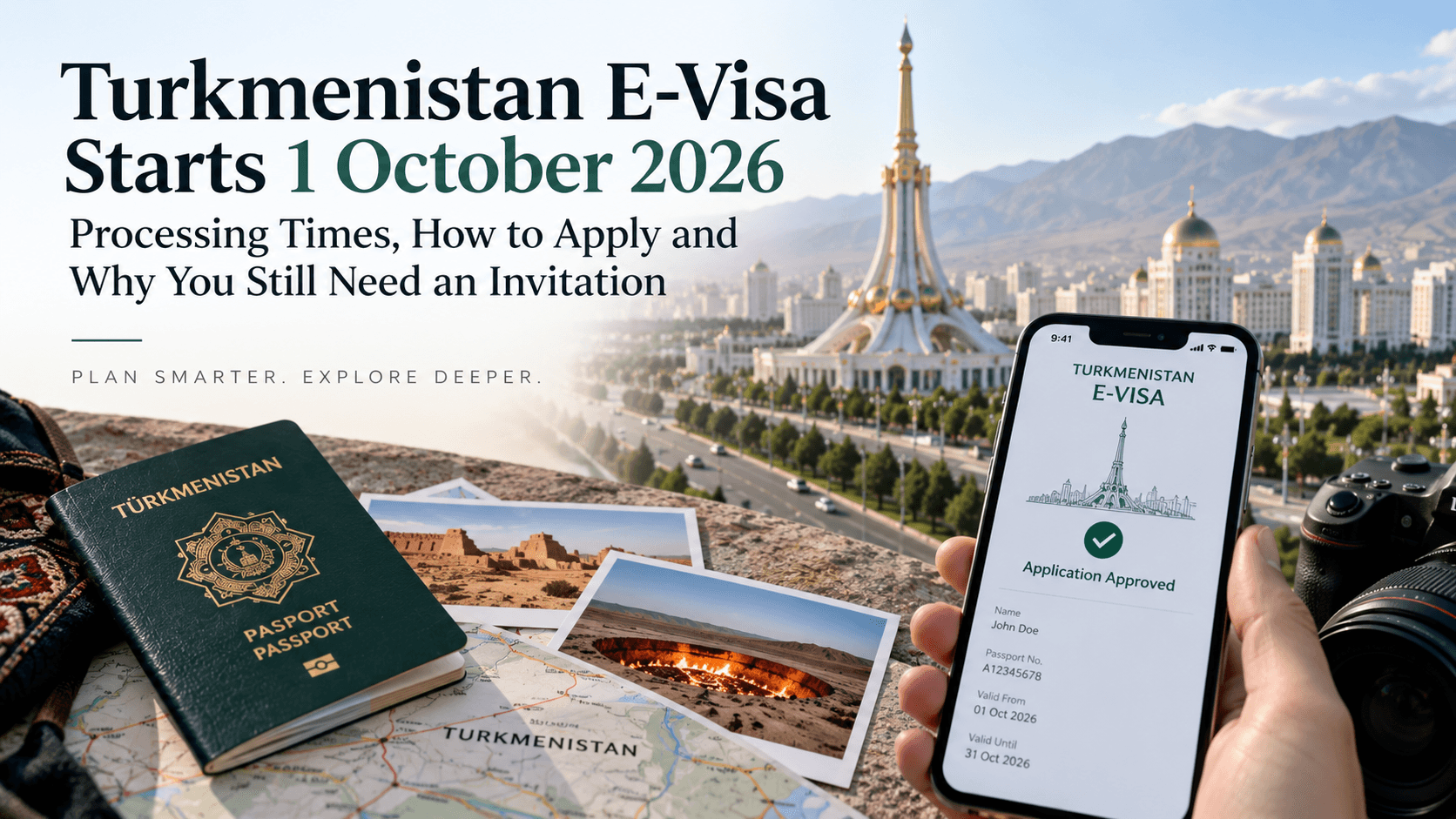
Turkmenistan E-Visa Starts 1 October 2026: Processing Times, How to Apply and Why You Still Need an Invitation
Turkmenistan's electronic visa starts on 1 October 2026: the application is filed and paid for online and the visa arrives by email. The letter of invitation is still required - the detail most coverage since 2025 got wrong.
In short. Turkmenistan's electronic visa starts on 1 October 2026. The application is filed and paid for online through a licensed operator and the visa arrives by email. On the information we have, standard processing is 15 working days and urgent is three, urgent handling doubles the visa fee, and fees are not returned if a visa is refused. The letter of invitation is still required. Applications filed before 1 October run under the old rules.>
*This page is written before the system goes live. Where a detail has not been published in full, we say so rather than fill the gap.*
---
From 1 October, a Turkmen visa arrives as a document in your email. The letter of invitation that has gated every tourist visa for decades does not disappear with it, and if you have read otherwise in the last eighteen months, that is the single most important correction on this page.
We are a licensed Turkmen operator. We file invitation applications with the State Migration Service most weeks of the year, so what follows is the version we are working to, written for someone deciding whether to book a trip this autumn rather than for someone reading about Central Asian visa policy.
This page covers processing times, the application sequence, what happens to files submitted before the cut-off, the identity check, refusals, transit visas, entry points, and the things still genuinely unknown. It is dated at the top and we re-check it monthly, because entry rules here turn from correct to wrong overnight.
What is the Turkmenistan e-visa, and what starts on 1 October 2026?
An electronic visa is a visa issued and delivered digitally rather than stamped into a passport at a consulate or an airport desk. From 1 October 2026 Turkmenistan issues its tourist and most other short-stay visas this way: the application is filed and paid for online, the approved visa is sent by email, and you print it and carry it.
Two things change on the first. The visa becomes electronic, and the application and payment move online. Three things do not change: the invitation requirement, the approval by the State Migration Service, and the structure of what you pay.
What does not change is the part that takes the time. A Turkmen tourist visa has never been slow because of paperwork at a counter. It is slow because the file goes to the State Migration Service in Ashgabat for approval, and that approval has never had a published turnaround. Moving the front end online does not move the queue.
The legal background, briefly
On 18 April 2025 amendments to Turkmenistan's Law on Migration came into force, creating the legal basis for electronic visas. That law deliberately left the details open: the types of electronic visa, how they would be issued, how long they would be valid, and what they would cost were all reserved to be set later. For seventeen months they were not set, which is why the internet filled up with pages describing a system that did not exist.
The details are what arrives on 1 October 2026. This page is about the details.
Do you still need a letter of invitation for Turkmenistan?
Yes. The letter of invitation remains a requirement after 1 October 2026 for tourist visas. It is issued through a licensed Turkmen tour operator and approved by the State Migration Service before the visa itself can be issued.
This contradicts most of the international coverage since April 2025, which reported the electronic visa and the abolition of the invitation as a single package. The reporting was describing the enabling law, which spoke of removing the invitation requirement, not the implementing rules, which had not been written. The implementing rules keep it.
If you take one thing from this page, take that one. It is the difference between planning a trip that works and planning one that collapses three weeks before departure.
What a letter of invitation actually is
A letter of invitation, often abbreviated LOI, is not a visa and does not by itself let you into the country. It is an approval document: a licensed Turkmen operator applies to the State Migration Service on your behalf, naming you, your passport, your dates and your route, and the Service either approves the application or does not. Only an approved invitation makes a visa possible.
Two practical consequences follow. You cannot apply for a Turkmen tourist visa on your own, before or after 1 October. And the invitation is tied to specific dates and a specific route, so changing either after filing means filing again.
Who can issue one
Only a Turkmen company holding a tourism licence. An agency abroad that offers Turkmen invitations is working through a licensed local partner whether or not it says so, which is worth knowing when you are comparing what you are paying for.
How much does a Turkmenistan e-visa cost in 2026?
There are three charges and it helps to keep them apart, because they behave differently and only one of them is optional.
The consular visa fee. Set by the Ministry of Foreign Affairs and published in Turkmenistan's consular tariff. It scales with two things: how long you are staying, and whether you need one entry or more than one. A short single-entry visit sits at the bottom of the scale and a long multiple-entry visa at the top.
Invitation processing. A separate charge covering the application to the State Migration Service. It does not depend on the length of your stay.
The urgent surcharge, if you use it. Optional, and the one genuinely worth thinking about. On the information we have, urgent handling means three working days instead of fifteen and doubles the visa fee, which is the long-standing ratio in the published tariff rather than a new invention for the electronic system.
We are not printing amounts on this page, deliberately. Consular tariffs change by decree without notice, and a figure typed into an article in September is how a traveller ends up at a payment screen in March expecting the wrong number. The current amounts are published by the Ministry of Foreign Affairs in its consular tariff, and we quote you the exact total for your dates, your duration and your entry count when you ask. Tell us your dates and you get a figure rather than a range.
One structural point that does not expire: a double entry is a one-month corridor, not two separate months. If your itinerary crosses into Uzbekistan or Iran and comes back, the return has to fall inside that window, and a visa priced for one month will not stretch to cover a late return.
The fee schedule is not new
If you have researched Turkmen visas before, the structure will be familiar, because it is the same one. The electronic visa is being priced into the existing consular tariff rather than given a schedule of its own. Nothing about the amounts changes on 1 October; only the channel does.
This matters for a practical reason. Over the next few weeks a number of sites will publish confident figures for "the new e-visa price". A new price list is not what happened. If a page quotes you numbers that do not match the Ministry's published tariff, it is not reporting a decision, it is guessing.
What the fee does not cover
The visa fee is a government charge and nothing else. It does not include your tour, your transport, your guide, your hotels, or the permits required for the restricted border zones, which are arranged separately and in advance. It also does not cover the charges collected on arrival, several of which are payable in cash US dollars.
Anyone comparing a Turkmenistan trip to a visa-free Central Asian neighbour on the strength of the visa fee alone is comparing the smallest line on the invoice.
Which nationalities can apply for the Turkmenistan e-visa?
All of them, on the same terms. The same tariff and the same procedure apply to citizens of every country. Turkmenistan does not operate a visa-free list for tourism, and the electronic visa does not create one.
There is no nationality that gains visa-free entry on 1 October 2026 and none that is excluded from the electronic system. Whether you hold a United States, United Kingdom, Canadian, Australian, German, French, Italian, Spanish, Polish, Indian, Chinese, Korean, Japanese, Turkish, Emirati or any other passport, the route is the same: invitation first, then visa.
This is unusual among Turkmenistan's neighbours and it is the comparison most travellers arrive with. Kazakhstan, Kyrgyzstan and Uzbekistan all run visa-free entry for long lists of nationalities, and Uzbekistan runs an e-visa you can file yourself. Turkmenistan runs neither. The electronic visa changes how you apply, not whether you have to.
Citizens of countries with which Turkmenistan has a specific bilateral arrangement may be handled differently, and holders of diplomatic and service passports frequently are. If you are travelling on anything other than an ordinary passport, ask before you assume the ordinary route applies to you.
How to apply for a Turkmenistan e-visa: step by step
The order matters more than any single step. People who get caught out are almost always people who bought flights at step one and discovered step four.
How long does a Turkmenistan visa take?
On the information we have, standard processing is 15 working days and urgent processing is three working days. Both are counted in working days, not calendar days, and both are counted from the visa application, which happens after the invitation has already been approved.
Turkmenistan observes public holidays that do not appear on a Western calendar and that fall in the months most people travel: Independence Day on 27 September and Neutrality Day on 12 December are the two that most often catch an autumn or winter application. Nowruz, on and around 21 March, does the same in spring.
Fifteen working days is three calendar weeks with nothing in the way. Add the invitation stage in front of it and the honest planning figure for a first-time visitor is longer than most people expect. We tell clients not to buy non-refundable flights until the invitation approval is in hand, and that advice does not change on 1 October.
How far ahead should you start?
Six to eight weeks before your intended entry date is comfortable. Four weeks is possible. Under three weeks means paying for the urgent track and accepting that the invitation stage in front of it has no urgent track at all, which is the part people miss when they assume money solves a deadline.
E-visa or the old system: what actually differs
The row that matters most is the one people look at last. Paying in advance and losing the fee on refusal is a real change in where the risk sits, and it is the strongest argument for making sure an application is right before it goes in rather than after.
What if you applied before 1 October 2026?
Applications submitted before 1 October are processed under the current rules, which means the visa is issued and paid for on arrival in the usual way rather than delivered electronically. The cut-off is the date your application went in, not the date you fly.
This matters for anyone travelling in October and November. If your file is already with the migration service, you are on the old track and you do not need to restart anything. If you are considering a trip and have not filed, you will be on the new one.
There is no advantage to rushing an application in before the deadline simply to stay on the old system, and no penalty for landing on the new one. Both routes require the same invitation and the same approval.
What is KYC, and why does it mean applying through an agency?
The new system includes identity verification, described as a KYC process, of the kind a bank runs when you open an account. At launch, the traveller pays for the visa and the application is completed through a travel agency. Direct self-service application by the traveller is under consideration for a later stage, but it is not what starts on 1 October.
How the identity check will work in practice is the honest gap in this article. Whether it means a document upload, a liveness check, a short video step or something else has not been set out, and we expect to learn it on or shortly after the first, at the same time as everyone else. We would rather write that sentence than invent a procedure and have you plan around it.
For a traveller, the practical effect is straightforward. If you were hoping the electronic visa would let you skip the operator, that is not the position in October. It may become the position later, and if it does, this page will say so with the date it changed.
What happens if your Turkmenistan visa application is refused?
On the information we have, the fee is not returned: if a visa is refused, the amount paid is forfeited, including the urgent processing surcharge if you paid one.
Refusals for ordinary tourists on complete applications are not common, and we are not raising this to alarm anyone. We are raising it because it changes how you should treat the urgent option. Paying double to compress a fifteen-day wait into three is a reasonable decision when your dates are fixed and the file is clean. It is a worse decision when something in the application is unresolved, because speed does not improve the odds and the money goes either way.
What makes an application fail
The recurring causes are unremarkable and avoidable. A passport with under six months of validity. A name transliterated differently across the passport, the photograph file and the booking. Dates that do not match the itinerary the invitation was approved against. A photograph that does not meet specification. A previous invitation left unused, which makes the next application harder rather than neutral, so an application filed speculatively to "hold a slot" is a bad idea.
Is there still a Turkmenistan transit visa?
The transit visa is a separate route with its own rules. It is issued for short crossings of the country, typically up to five days, at a lower consular fee, and it does not follow the tourist path. It is also refused far more often than people planning overland trips expect, and it is not a way around the invitation requirement for a holiday.
Whether transit visas move onto the electronic system on 1 October has not been set out, and we are not going to guess. If you are planning a Caspian-to-Uzbekistan overland crossing and the transit route is your plan, treat it as unconfirmed for now and build a fallback.
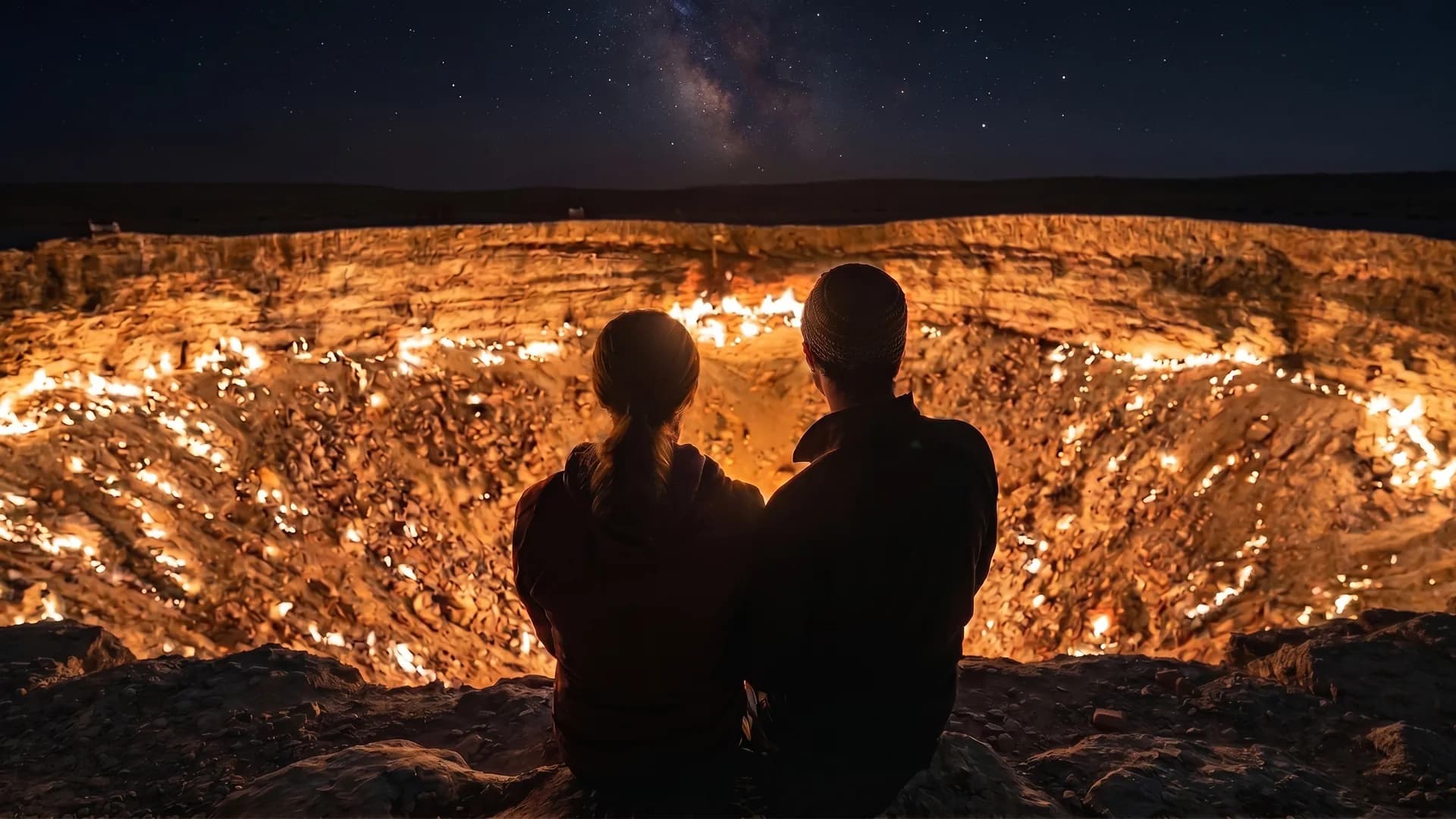
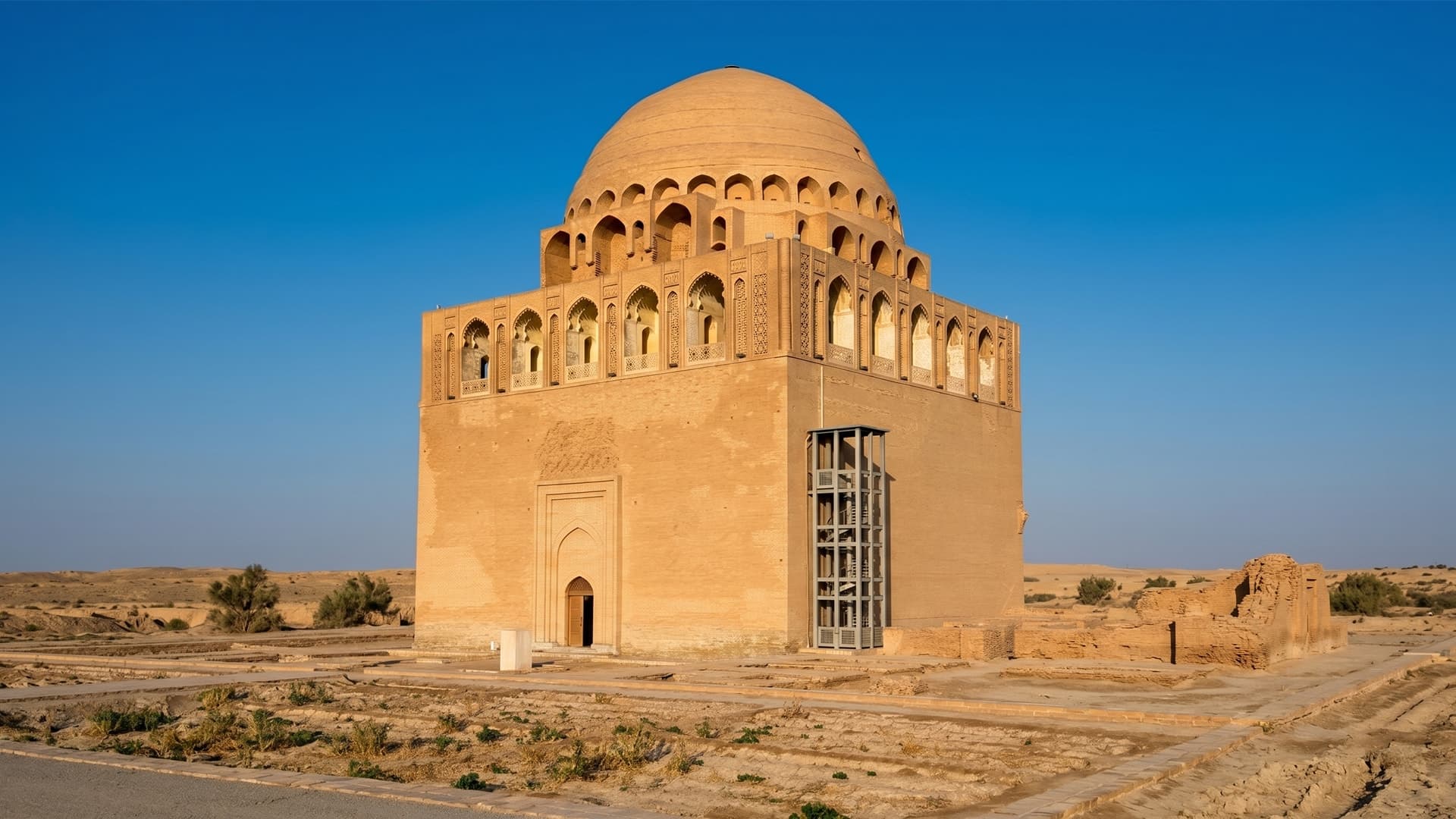
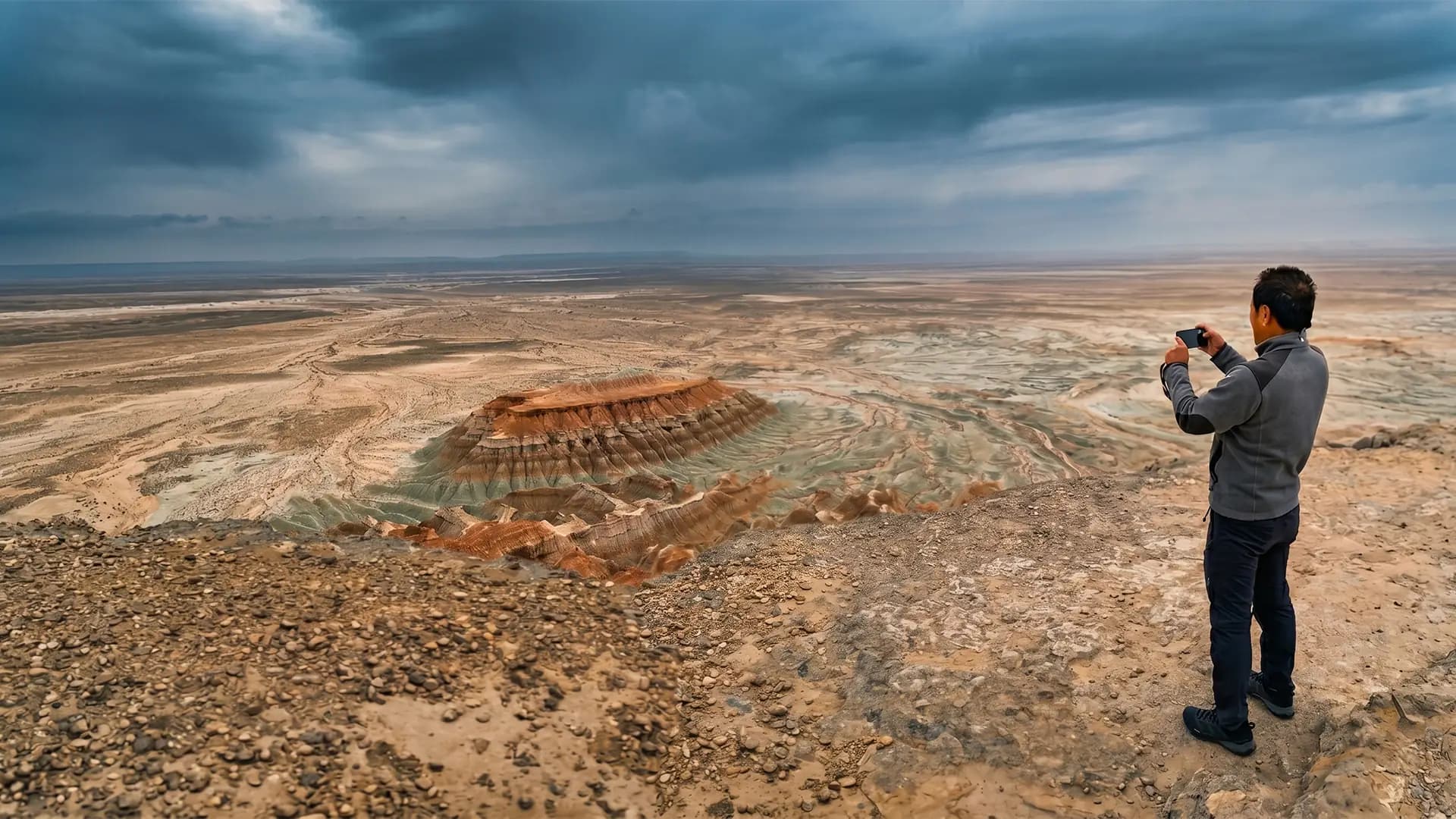
The blunt version, which you will not read on a page that has nothing to lose: if you want to see Darvaza, Merv or Yangykala, a transit visa is the wrong document. It buys you a road and a clock.
Where can you enter Turkmenistan, and does the entry point matter?
Yes, and this catches people. A Turkmen visa is issued against named entry and exit points, and you use the ones on the visa.
Most visitors fly into Ashgabat International Airport, which has the widest connections and the most predictable processing. Turkmenabat, Mary, Dashoguz and Turkmenbashi also handle international arrivals on a thinner schedule. The land borders with Iran, Uzbekistan, Kazakhstan and Afghanistan, and the Caspian ferry between Turkmenbashi and Baku, are the overland options, and they are the ones where opening hours, queues and required documents vary the most.
Land border status changes without announcement, which is why we do not publish a table of crossings and hours that would be wrong within the season. Tell us which border you intend to use and when, and we will tell you what it is doing now rather than what it was doing when a guidebook went to press.
Two related details worth knowing in advance. Several arrival charges are payable in cash US dollars, so arriving with only cards is a bad plan. And parts of the border regions sit inside restricted zones requiring permits arranged ahead of time, which is a separate process from the visa and on a separate timeline.
After you arrive: registration
Foreign visitors staying beyond the registration threshold register with the State Migration Service. On an organised trip your operator handles this, and for independent or long-stay visitors it is a step to plan for rather than discover.
Registration is a separate matter from the visa: it applies to people already inside the country, and nothing about the 1 October change removes it.
What is still unknown
Several things are not settled, and anyone telling you otherwise in September is filling gaps with imagination.
The mechanics of the identity check. The address of the application portal and whether it will be reachable from outside the country. The validity window of the issued visa, meaning how long after issue you have to enter. Whether transit visas join the electronic system. And whether the three-day urgent track holds up under launch volume, which no system's published timetable ever answers in its first month.
We will update this page as each is settled, with the date. The line at the top of the article is the date it was last checked, and on a page about entry rules that line is the most important one on it.
Planning a trip in October, November or December?
If your dates are fixed, start the invitation now rather than waiting for the portal to appear. The invitation stage is the long pole and the change does not touch it.
If your dates are flexible, October is the better month to be in Turkmenistan regardless of paperwork. Daytime temperatures in Ashgabat come down out of the forties, the light on the Karakum in the late afternoon is worth the drive, and the crater at Darvaza is a different proposition in a night you can sleep through than in August, when the tent is unbearable until two in the morning. November is quieter and colder, with clear air over Yangykala and almost nobody at Merv on a weekday. December brings Neutrality Day on the twelfth, which fills Ashgabat's hotels and closes some offices, so build around it rather than into it.
And if you have spent the last year postponing a Turkmenistan trip specifically because you were waiting for the invitation requirement to disappear, stop waiting. It is not disappearing on 1 October. The trip you were putting off is the trip that was available all along.
---
Frequently asked questions
Does Turkmenistan have an e-visa in 2026?
Yes, from 1 October 2026. Before that date visas are issued traditionally, at a consulate or on arrival. The electronic visa is delivered by email after approval. Applications filed before 1 October are processed under the old rules.
Do I still need a letter of invitation for Turkmenistan after the e-visa launches?
Yes. The invitation issued through a licensed Turkmen operator and approved by the State Migration Service remains a requirement for tourist visas after 1 October 2026. Reports from 2025 describing the invitation as abolished were describing the enabling law, not the system that is now starting.
How much does a Turkmenistan e-visa cost?
You pay three things: the consular visa fee, which scales with the length of stay and the number of entries; a separate invitation processing charge; and, optionally, an urgent surcharge for three-day handling. Current amounts are published in the Ministry of Foreign Affairs consular tariff, and we quote the exact total for your dates on request.
How long does a Turkmenistan e-visa take to process?
On the information we have, standard processing is 15 working days and urgent processing is three working days, counted from the visa application and not including the invitation stage that comes before it. Plan on several weeks in total for a first trip, and do not book non-refundable flights before the invitation is approved.
Can I apply for a Turkmenistan e-visa myself?
Not at launch. The application is completed through a licensed travel agency, which also files the letter of invitation the visa depends on. Direct self-service application is under consideration for a later stage but is not part of the system starting on 1 October 2026.
What happens if my Turkmenistan visa is refused?
The fee is not refunded: on the information we have, the amount paid, including any urgent processing surcharge, is forfeited on refusal. This is the main reason to make sure an application is complete before paying for the three-day track, since speed does not improve the likelihood of approval.
Is Turkmenistan visa-free for any nationality?
No. Turkmenistan does not operate visa-free tourist entry for any ordinary passport, and the electronic visa does not introduce it. Every visitor needs a visa, and for tourism every visa needs an invitation approved by the State Migration Service first.
Does the e-visa replace visa on arrival in Turkmenistan?
For applications filed from 1 October 2026, yes: the visa is paid for online in advance and arrives by email instead of being issued at the airport desk. Applications filed before that date continue to be issued and paid for on arrival in the usual way.
How far in advance should I apply for a Turkmenistan visa?
Six to eight weeks before your intended entry date is comfortable, because the invitation stage that precedes the visa has no published turnaround and no urgent option. Four weeks is workable. Under three weeks means paying the urgent surcharge and accepting real risk to your dates.
---
Planning a trip to Turkmenistan this autumn?
TM Tour is a licensed Turkmen operator. We file the letter of invitation, and from 1 October we will file the electronic visa application alongside it. Tell us your intended entry date and entry point, and we will tell you which set of rules applies to you and how long it realistically takes.
Start your application · Visa and entry rules · See our tours
Touren mit Aschgabat
Aschgabad, Darvaza & Köneürgench: 3-tägige Iran–Usbekistan-Durchquerung
$540–$980
pro Person

Aschgabad, Darvaza & Köneürgench: Hauptstadt, Krater und Karawanserei
$690–$1,350
pro Person
Merw, Darvaza & Köneürgench: 4-tägige Seidenstraßen-Durchquerung
$680–$1,500
pro Person
Aschgabad, Merw & Darvaza: 5-tägige Reise nach Usbekistan
$780–$1,750
pro Person
Aschgabat, Darvaza & Merv: Turkmenistan in 7 Tagen
$980–$2,200
pro Person

Darvaza, Aschgabad & Merw: Turkmenistan-Rundreise ab Usbekistan
$730–$1,700
pro Person
Weiterführende Informationen
Bereit, Turkmenistan zu entdecken?
Unsere Experten helfen Ihnen bei der Planung einer unvergesslichen Reise mit aktuellen Informationen und individuellen Routen.