Neutrality Monument
Ashgabat's landmark commemorating Turkmenistan's UN-recognized permanent neutrality, first built in 1998 and relocated to northern Ashgabat in its current form in 2010.
Quick Navigation
Overview
The monument commemorates Turkmenistan's declaration of permanent neutrality and serves as the country's most prominent symbol of that defining foreign policy principle. Its presence in the capital's landscape anchors what might otherwise remain a diplomatic abstraction in something physical and monumental - a tower visitors can see from a distance and approach on foot.
The site sits in northern Ashgabat, where it forms part of a cityscape that has been substantially developed over the past two decades. The surrounding plaza and landscaped grounds invite a slow approach, and the monument's scale - designed to read clearly across the wide avenues of the capital - rewards viewing from different distances.
For visitors, the Neutrality Monument is a useful lens through which to understand Turkmenistan's position in Central Asia. The country's neutrality policy has shaped its foreign relations since independence, and this monument is where that history takes architectural form. The Kopet Dag mountains frame the southern horizon, and on a clear day the view from the plaza captures the distinctive white marble skyline of the capital in panorama.
Few countries build monuments to diplomatic principles. Turkmenistan did, and the monument has outlasted the changing city around it.
Highlights
Why Visit
- See the physical monument to one of the world's rare UN-recognized permanent neutrality declarations
- Understand Turkmenistan's unique foreign policy identity through its most symbolic structure
- Photograph the monument against the Kopet Dag mountains from the surrounding plaza
- Visit a landmark that reflects the country's approach to statehood since 1995
- Explore northern Ashgabat's developed district with your guide
Best Time to Visit
The monument's plaza is most pleasant to visit in the morning light of spring (April-May) or autumn (September-October), when Ashgabat temperatures are comfortable - typically 20-30°C (68-86°F) - and the air is clear. Summer midday heat makes extended outdoor time on the open plaza uncomfortable. The monument is a relatively quick stop and can be included in a morning circuit of Ashgabat landmarks regardless of season. Evening illumination makes a return visit worthwhile on a clear night.
Getting There
The Neutrality Monument is located in northern Ashgabat and is a standard stop on Ashgabat city tours. The drive from the main hotel district takes only minutes. Your guide will include it in the capital city itinerary - it is typically combined with other Ashgabat landmarks in a single morning or afternoon circuit.
Continue Your Journey
Wedding Palace
Ashgabat's iconic eight-pointed star-shaped building where Turkmen couples register marriages - an architectural landmark and living cultural institution.
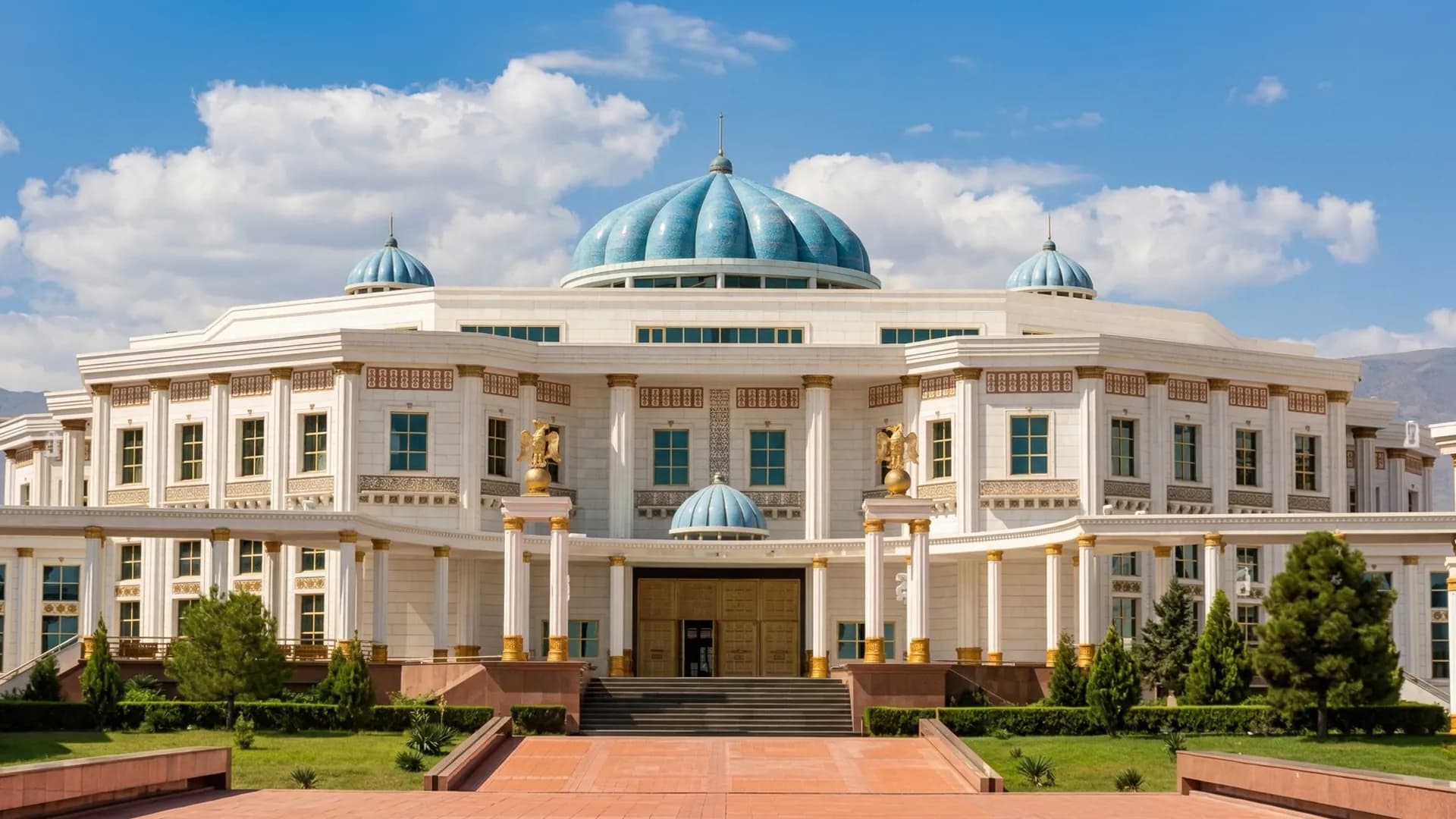
National Museum of Turkmenistan
Ashgabat's flagship museum houses Turkmenistan's greatest archaeological treasures, including extraordinary ivory rhytons from the Parthian capital of Nisa.
Quick Navigation
Plan Your Visit
Let our travel experts help you plan the perfect visit to this destination.
Inquire NowReady to Plan Your Journey?
Let our travel experts craft your perfect Turkmenistan adventure.
Chat with a Trip Expert