Parthian Fortresses of Nisa
Capital of the Parthian Empire near Ashgabat, where two millennia of royal history survive in eroded mud-brick walls and extraordinary rhyton ivory carvings.
Quick Navigation
Overview
What stops most visitors cold is not the walls - though the scale of the earthen ramparts is considerable - but rather what archaeologists pulled from the ground here in the 20th century. Among the finds: a collection of ivory rhytons, elaborate drinking horns carved with Hellenistic figures, so refined in workmanship that they sat comfortably between two worlds. The Parthians had this peculiar genius for absorbing Greek aesthetics while remaining defiantly Iranian in spirit. Their art was the diplomatic handshake between East and West long before anyone invented the Silk Road branding.
Today, the site sits a short drive from Ashgabat, low on the horizon and easy to underestimate from a distance. Up close, the eroded ramparts of Old Nisa form an irregular polygon that once enclosed the treasury, wine storage rooms, and ceremonial halls of the Arsacid kings. Excavated niches and the outlines of a round hall suggest a place designed for ritual as much as administration. The landscape carries the particular silence of somewhere once very loud with human activity.
There is a quietly funny detail worth noting: the Parthians, who were formidable mounted archers feared across the ancient world, left behind structures that look - after two thousand years of sun and wind - like the deflated memory of something grand. And yet the ivory rhytons they carved, now preserved in Ashgabat's National Museum, are so perfectly executed that they could pass for contemporary sculpture. The soldiers crumbled; the art held.
Highlights
Why Visit
- Stand inside the actual capital of the empire that stopped Rome's eastward march for five centuries
- See the archaeological source of some of the finest Hellenistic-era ivory carvings found in Central Asia
- Walk a UNESCO World Heritage site within easy reach of Ashgabat, with almost no crowds
- Grasp how Parthian culture bridged the Greek West and Iranian East in one compact, evocative site
- Photograph vast eroded ramparts that predate the most famous monuments of the Roman Empire
Best Time to Visit
March through May is ideal, with mild temperatures and occasional rains that briefly green the surrounding foothills. September and October are equally comfortable, with clear skies and temperatures that make walking the site a pleasure. Summer months from June through August are punishing - the site is fully exposed to the Karakum sun with no shade, and midday temperatures become prohibitive. Winter visits are possible but the site's clay paths can turn slick after rain.
Getting There
Old Nisa lies roughly 18 km west of central Ashgabat, making it one of the most accessible major archaeological sites in Turkmenistan. The drive takes around 30 minutes along the main road skirting the Kopet Dag foothills. Our guides and transport handle all logistics, including access to the site and any required entry arrangements.
Continue Your Journey
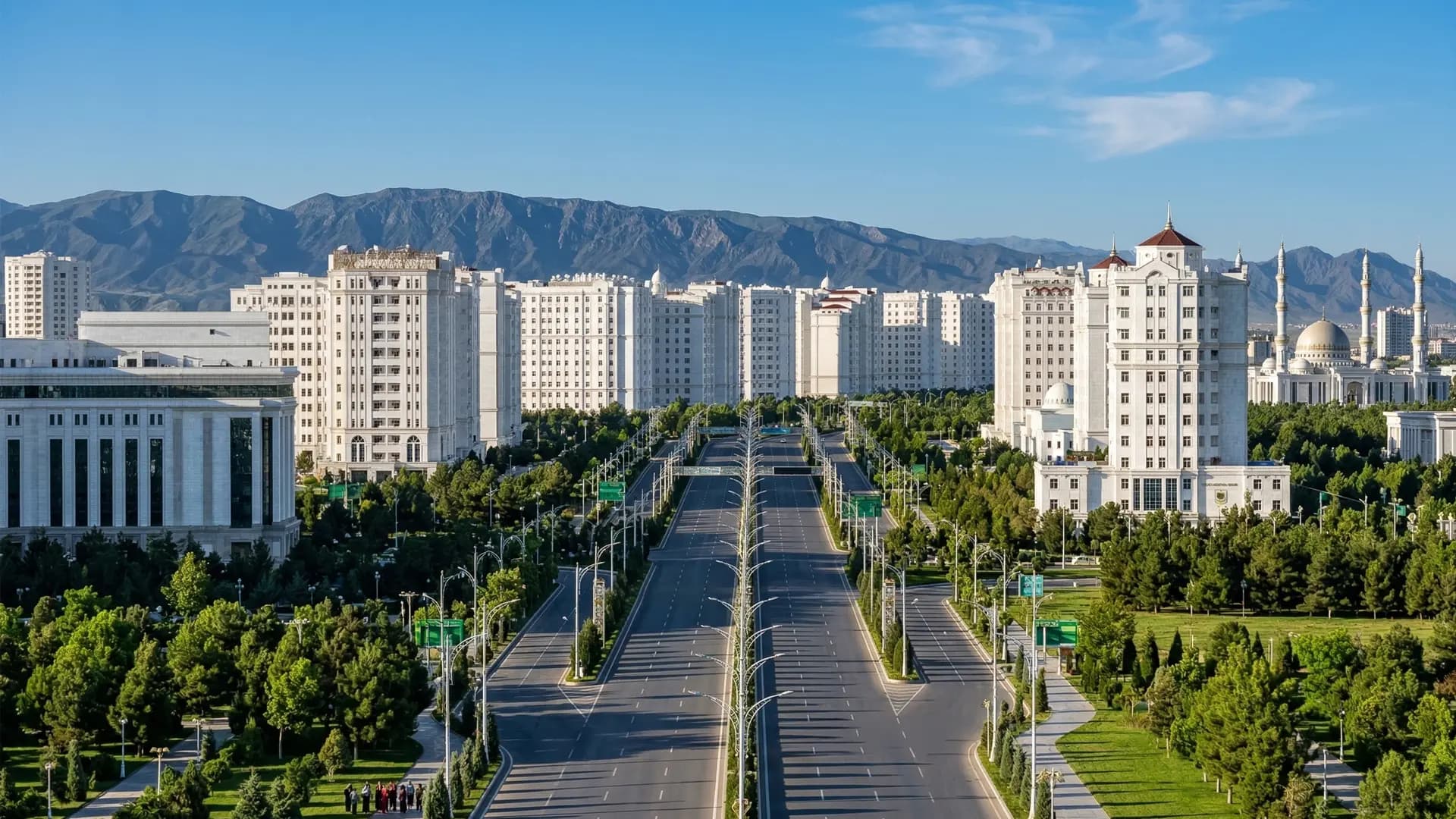
Ashgabat
Turkmenistan's capital is a city of white marble boulevards, gilded domes, and monumental architecture - a place unlike any other capital in Central Asia.
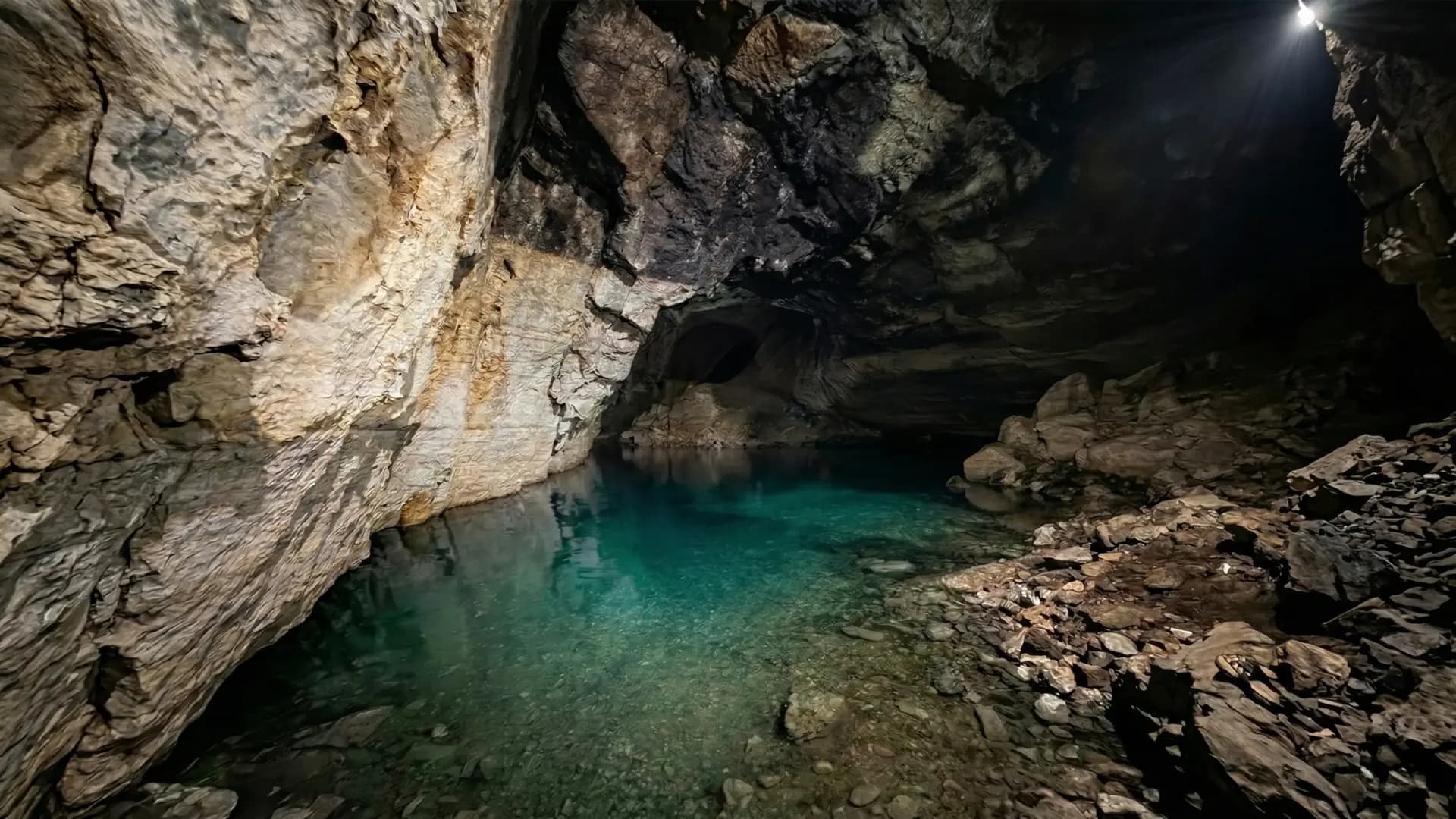
Kow-Ata Underground Lake
A vast thermal lake inside a sulfurous cave in the Kopet Dag mountains - warm, mineral-rich water you can swim in, deep beneath the earth.
Tours Featuring Parthian Fortresses of Nisa
Quick Navigation
Plan Your Visit
Let our travel experts help you plan the perfect visit to this destination.
Inquire NowReady to Plan Your Journey?
Let our travel experts craft your perfect Turkmenistan adventure.
Chat with a Trip Expert