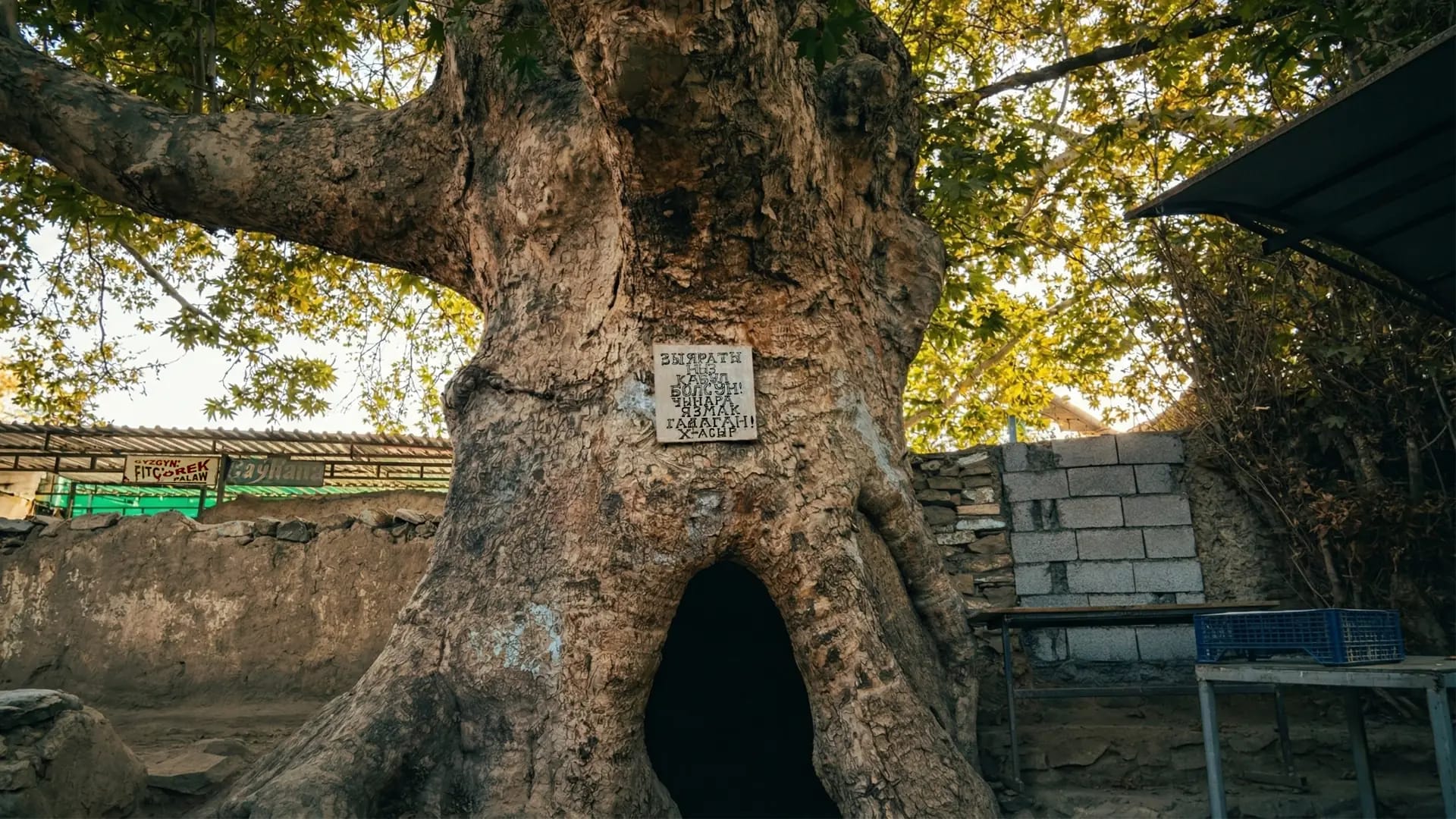
Nokhur Village
A remote Kopet Dag mountain village where ancient cemeteries bear carved ram-horn markers - a pre-Islamic funerary tradition found nowhere else - preserved by a semi-isolated community for centuries.
Quick Navigation
Overview
Nokhur is known, above all, for its cemeteries. The grave markers here are unlike anything found elsewhere: carved ram horns crown the headstones, a pre-Islamic funerary tradition found nowhere else in the world maintained continuously in this mountain setting. The ram was a symbol of power, protection, and the spirit world across the ancient Iranian and Turkic cultures of this region. Walking among these markers, you are in the presence of a religious geography that predates the Silk Road's most famous monuments. Similar zoomorphic grave traditions exist in parts of the Caucasus and Iran, but Nokhur's version - unbroken and specific to this community - carries a uniqueness those parallels do not diminish.
The people of Nokhur are Turkmen of the Nokhur tribe, a distinct sub-group with their own customs, dialect variations, and an origin tradition that some locals trace to Arab ancestry - though historians note the community has been here long enough that such origins are more mythological than genealogical. The village architecture is spare and functional, built for mountain winters rather than aesthetic admiration, and the surrounding landscape rewards walking: forested slopes, rocky outcrops, and views down across the Karakum plain that stretch to an implausible distance.
One quietly remarkable fact: Nokhur's inhabitants kept wolves as semi-domestic companions - a practice documented by ethnographers and still part of the village's oral tradition. This detail alone tells you that the Nokhur were operating by a different set of rules than most of Central Asia.
The village offers something that is increasingly rare in contemporary travel: the sense that you have arrived somewhere that exists entirely on its own terms, for its own reasons, and would continue doing so whether or not anyone came to look.
Highlights
Why Visit
- See ram-horn grave markers from a pre-Islamic funerary tradition found nowhere else - maintained here across centuries
- Reach one of Turkmenistan's most culturally isolated communities, preserved by geography and tradition
- Walk mountain trails with views across the Karakum Desert stretching to the horizon
- Encounter a tribal culture that kept wolves as semi-domestic animals within living memory
- Experience a village that functions entirely on its own terms, unmediated by tourism infrastructure
Best Time to Visit
April through June is the finest window for visiting Nokhur, when the mountain slopes carry spring greenery and temperatures are comfortable for walking. September and October offer similarly clear skies and cool air without the summer dust. July and August can be warm even at altitude, though the mountains remain significantly cooler than the desert plains below. Winter brings cold and occasional snow to the Kopet Dag foothills, making road access variable - our guides manage conditions year-round.
Getting There
Nokhur Village lies in the Kopet Dag mountains of Balkan velayat, southwest of the regional center of Serdar (formerly Kizylarbat). The route from Ashgabat heads west before turning into the mountains on roads that become progressively narrower and more winding as altitude increases. A sturdy vehicle is recommended for the final approach. Our tours include dedicated transport and local guides familiar with the mountain tracks and the village community.
Continue Your Journey
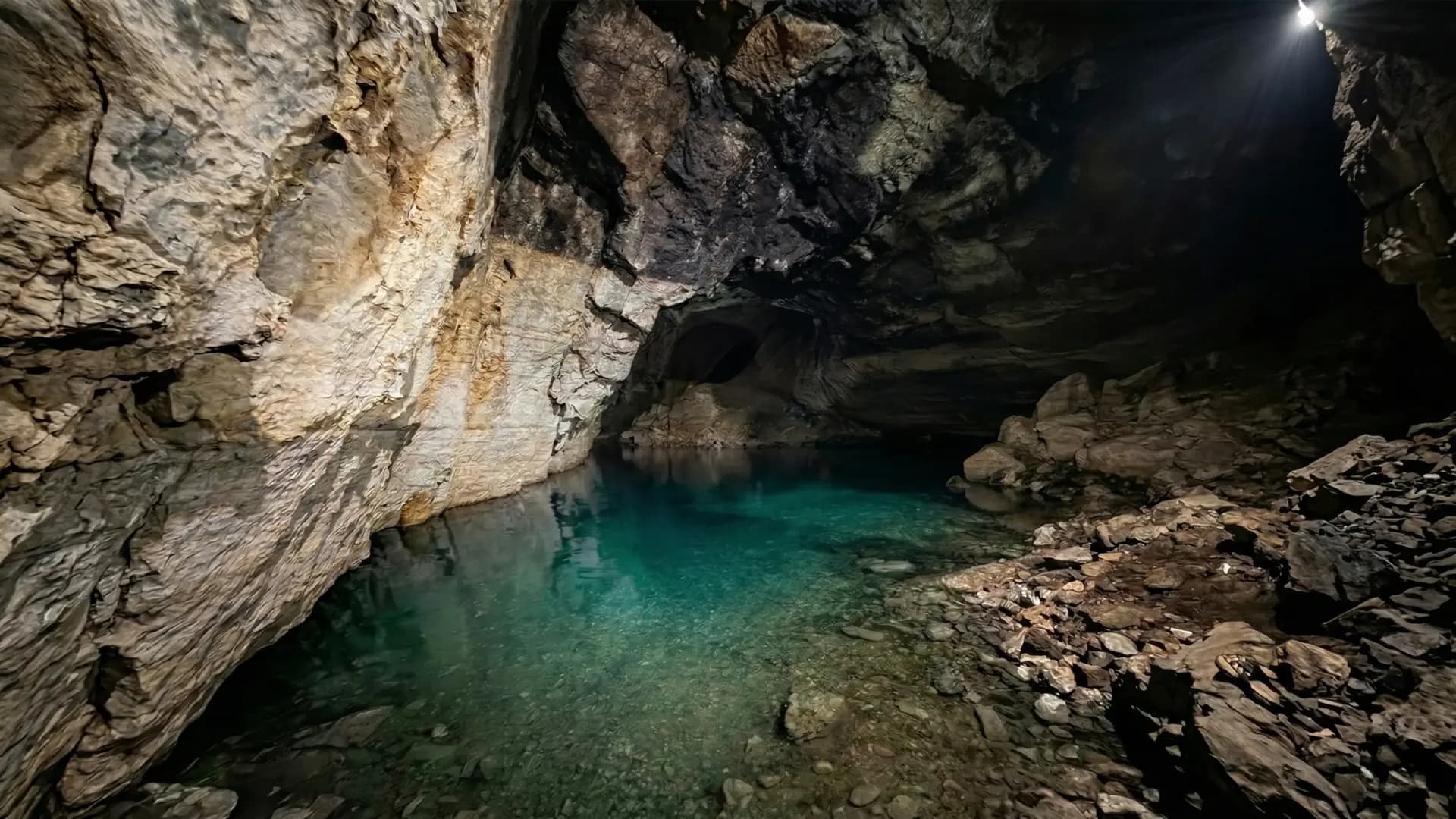
Kow-Ata Underground Lake
A vast thermal lake inside a sulfurous cave in the Kopet Dag mountains - warm, mineral-rich water you can swim in, deep beneath the earth.
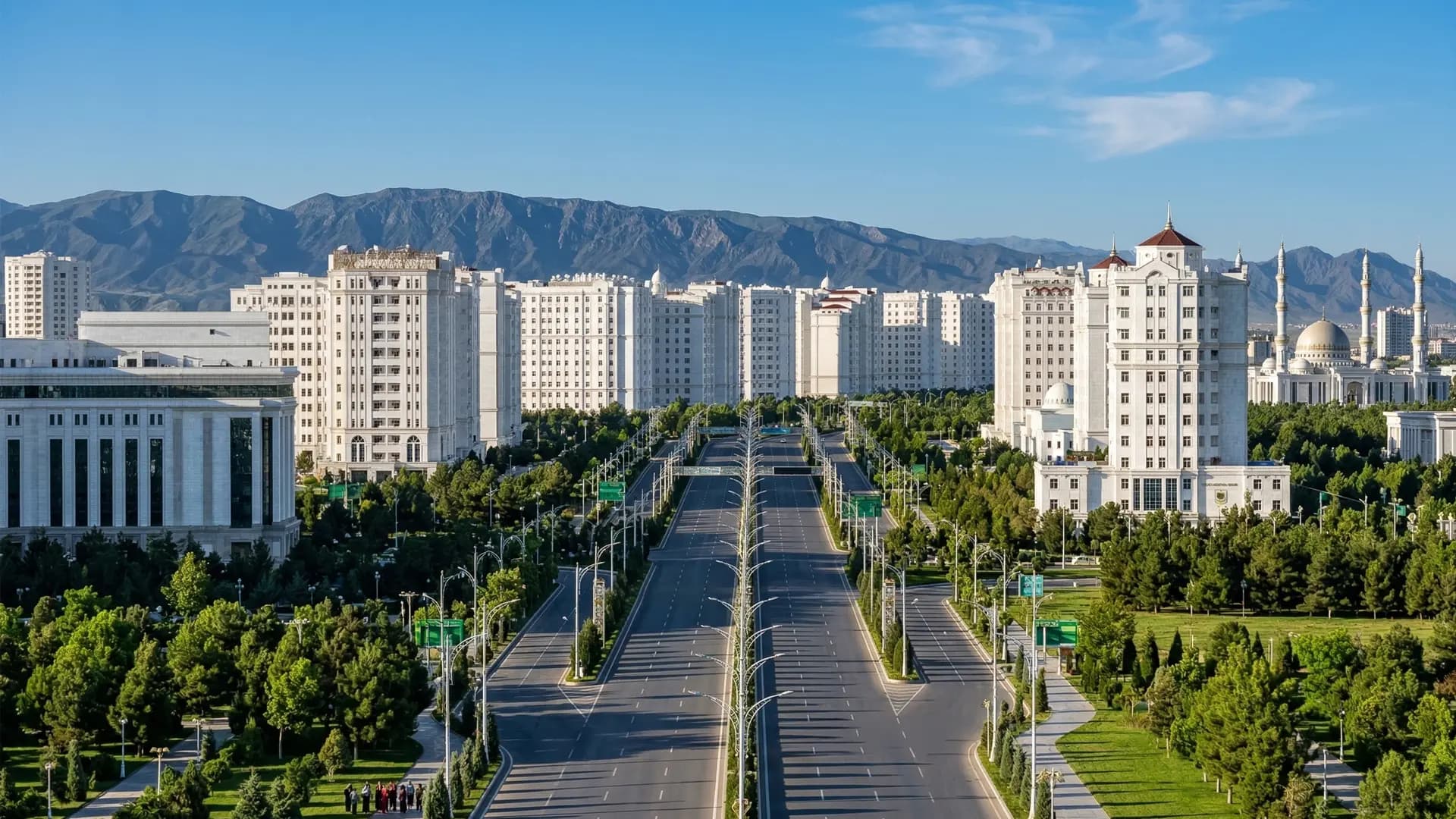
Ashgabat
Turkmenistan's capital is a city of white marble boulevards, gilded domes, and monumental architecture - a place unlike any other capital in Central Asia.
Quick Navigation
Plan Your Visit
Let our travel experts help you plan the perfect visit to this destination.
Inquire NowReady to Plan Your Journey?
Let our travel experts craft your perfect Turkmenistan adventure.
Chat with a Trip Expert