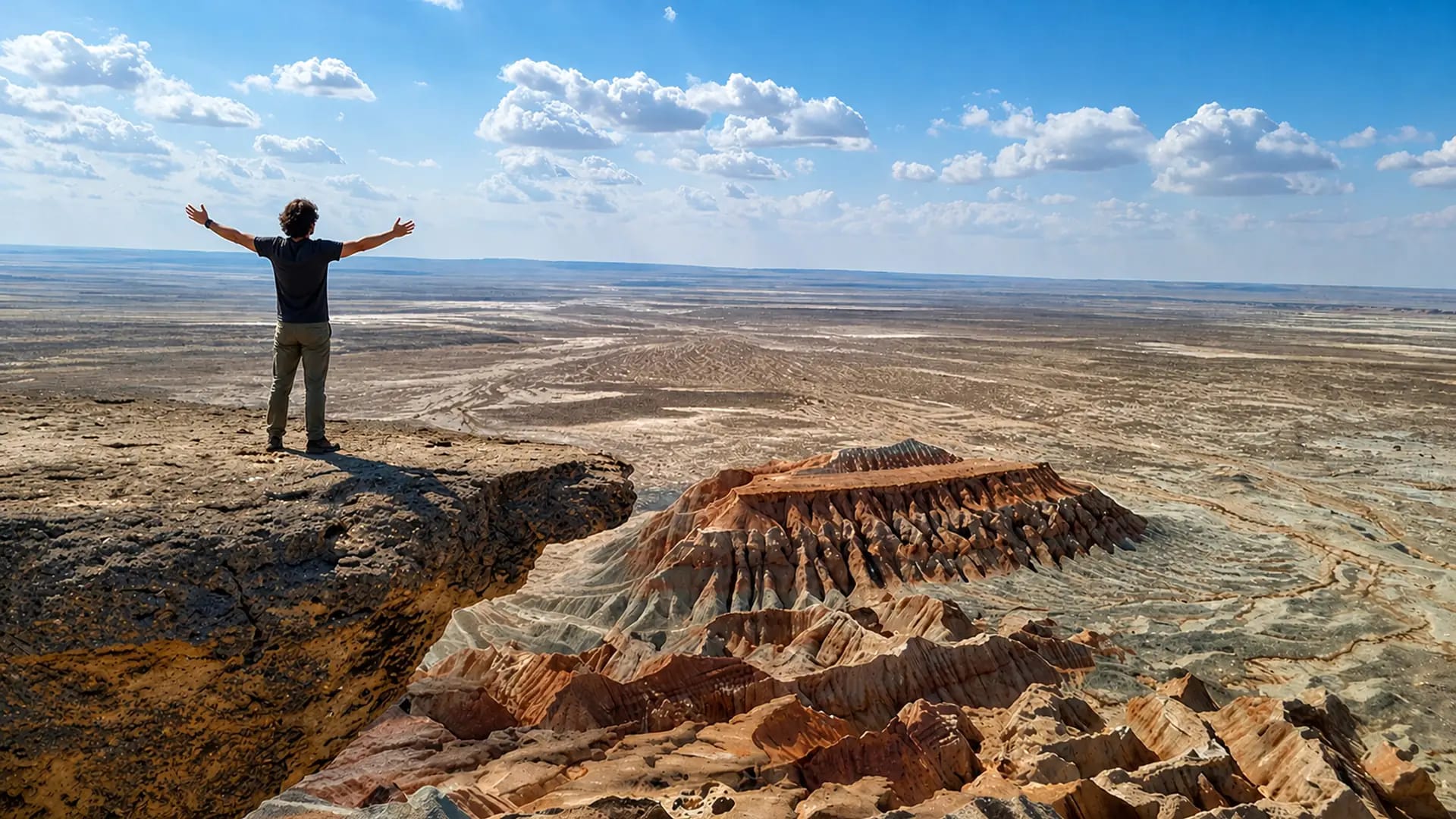
Yangykala Canyon
A remote canyon of flame-colored sedimentary cliffs rising from the Caspian lowlands, where striped rock walls glow crimson and coral at sunrise.
Quick Navigation
Overview
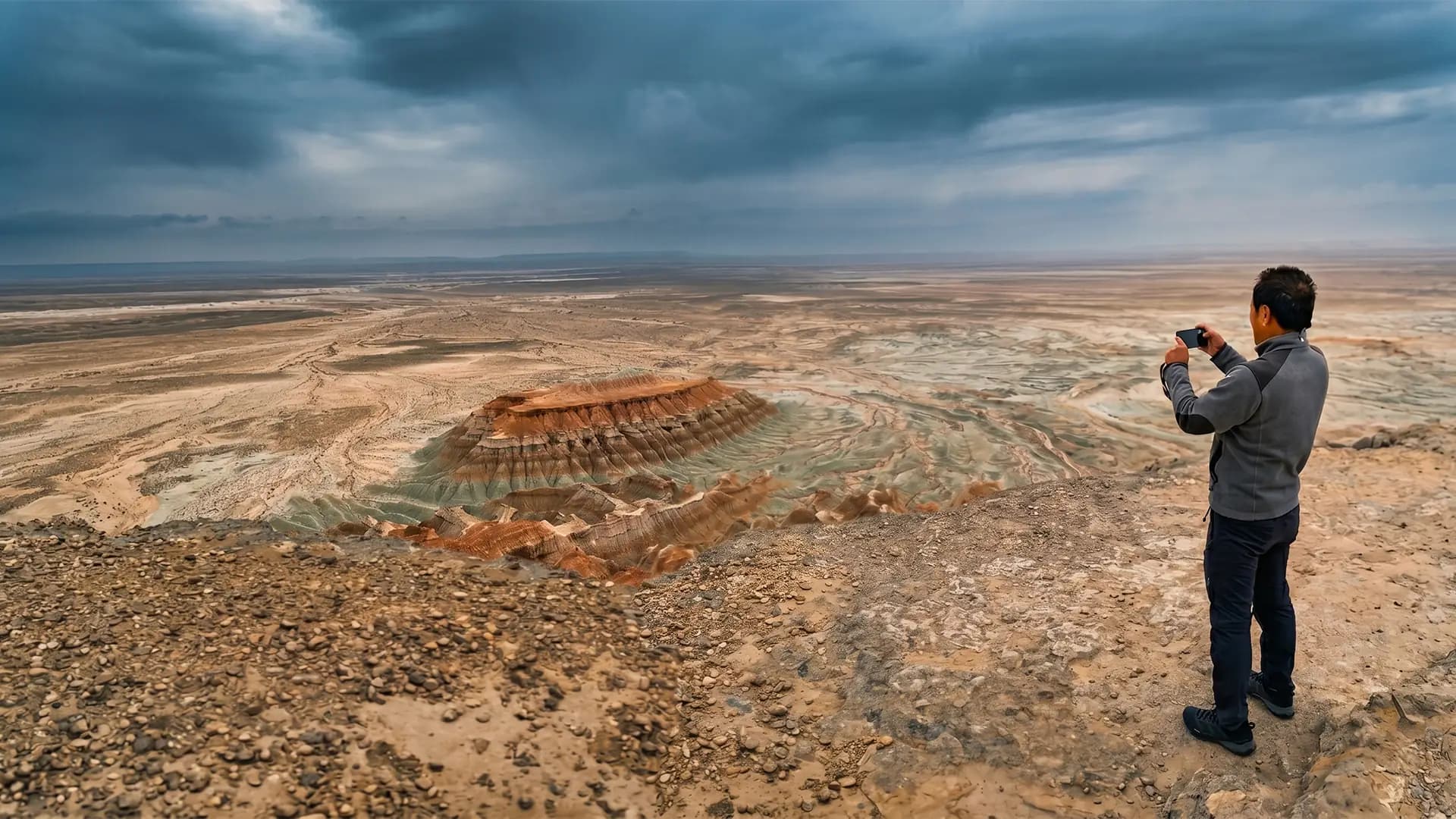
The canyon formed over millions of years as ancient seabed sediment - laid down when this region was submerged under the Paratethys Sea - was uplifted and eroded by wind and water into the dramatic escarpments visible today. The color variation comes from mineral deposits in different geological layers: iron oxides producing the reds and oranges, calcium carbonate contributing the whites. These are sedimentary formations - chalk, marl, and limestone layers laid bare by erosion - and the result is a natural color chart cut into the earth at angles that photographers find almost unfair.
At dawn, the light transforms the canyon completely. The cliffs shift from deep crimson to pale apricot over the course of twenty minutes as the sun clears the horizon, and the shadows in the canyon floor map the ledges and gullies with a clarity that makes the geology legible even to a non-specialist. There is no interpretive trail, no viewing platform - you walk to the edge and look. The absence of infrastructure, which might seem like a drawback, is actually the experience.
The surrounding Balkan region offers additional geological interest: the broader Caspian lowlands area contains salt flats, dry river channels, and evidence of the ancient shoreline, all within a day's drive of the canyon. Yangykala is rarely visited as a standalone destination - it tends to anchor a western Turkmenistan circuit that gives the colors and silence of the canyon their proper context.
An early start is not optional here. By midmorning the direct light bleaches the canyon walls to pastel, and the magic is gone until evening.
Highlights
Why Visit
- Photograph canyon walls that cycle through crimson, coral, and white as the dawn light shifts
- See a geological formation so dramatic it looks digitally enhanced - and yet it is entirely real
- Experience complete solitude at a natural wonder that receives only a fraction of comparable sites' visitors
- Understand ancient seabed geology written in colored rock layers visible to the naked eye
- Anchor a western Turkmenistan route that combines Yangykala with Caspian coast and desert landscapes
Best Time to Visit
March through May is the optimal period, when temperatures in the Balkan region are mild - typically 15-25°C (59-77°F) - and the morning light is at its most angled and dramatic. October is nearly as good, with warm days and cool nights. Summer in this region means serious heat; June through August temperatures regularly exceed 40°C (104°F), and the midday canyon visit becomes an endurance test rather than a pleasure. Winter brings cold conditions and the possibility of fog across the Caspian lowlands, though clear winter mornings can produce extraordinary long-shadow photography.
Getting There
Yangykala Canyon is located in the Balkan region of western Turkmenistan, a significant overland journey from Ashgabat through varied desert terrain. The route typically follows the main westward highway before turning north toward the canyon on unpaved tracks - a four-wheel-drive vehicle is strongly recommended for the final approach. Total travel time from Ashgabat is typically a full day, making an overnight stay in the region the practical choice. All transport and navigation are arranged as part of your tour.
Continue Your Journey
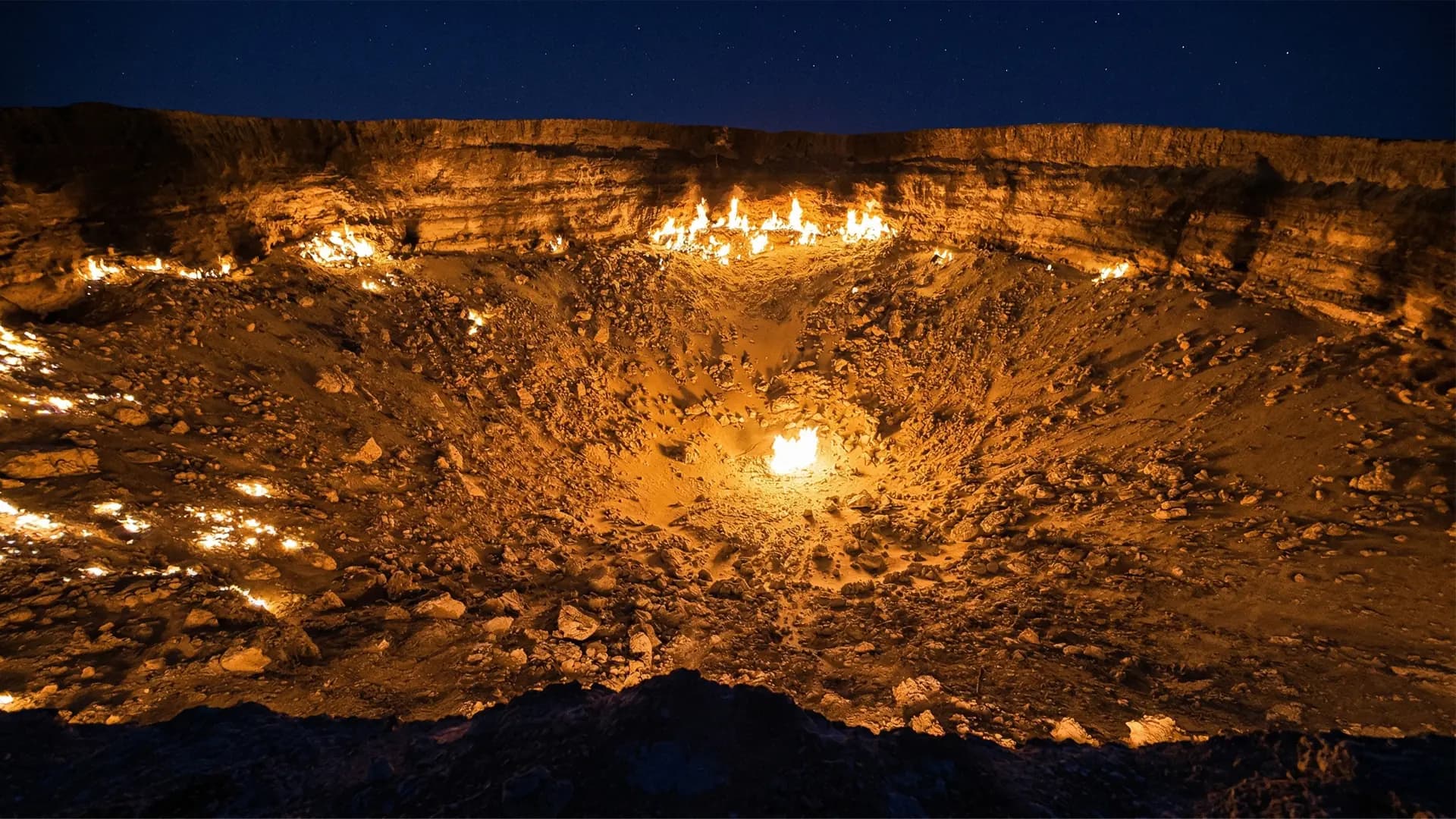
Darvaza Gas Crater
A gas crater burning continuously in the Karakum Desert since the 1970s, the so-called Door to Hell glows with an intensity that makes the surrounding desert phosphorescent.

Awaza Seaside Resort
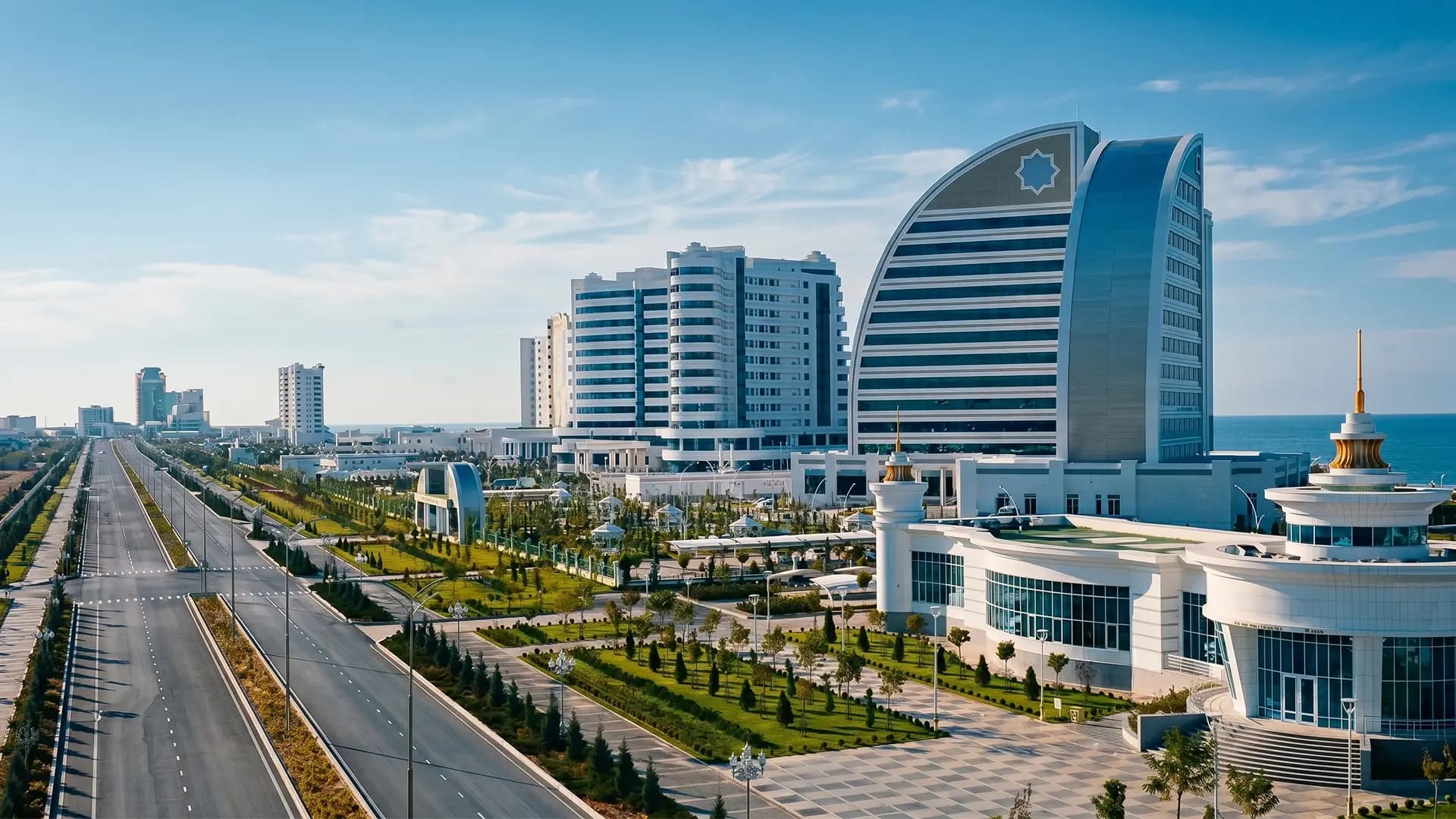
Turkmenistan's only Caspian resort district - a purpose-built coastal zone with beaches, hotels, and waterparks on the shores of the world's largest lake.
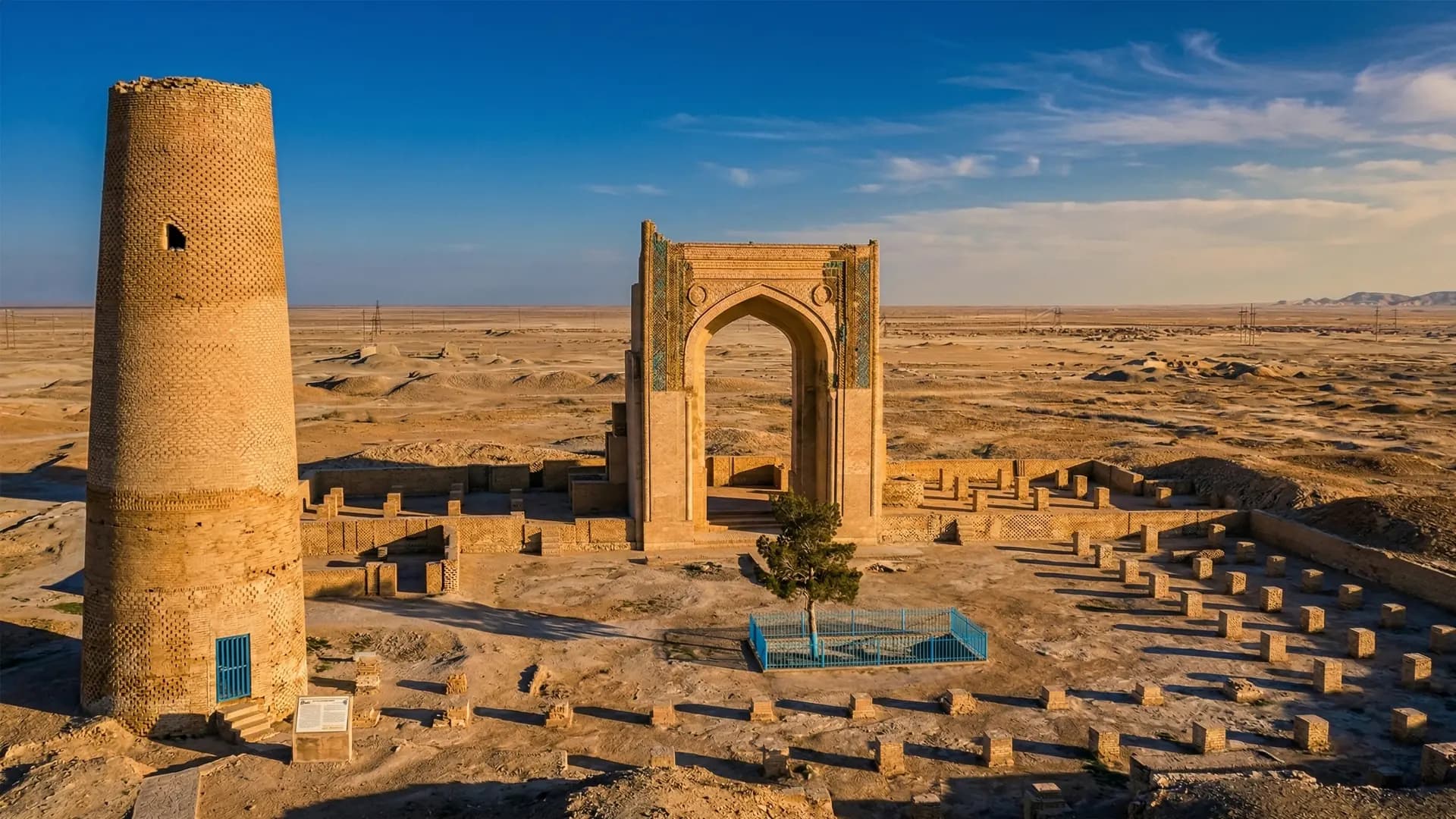
Dehistan
Two medieval minarets rising from a silent ruined city in western Turkmenistan - among the largest pre-Mongol urban sites in Central Asia.
Quick Navigation
Plan Your Visit
Let our travel experts help you plan the perfect visit to this destination.
Inquire NowReady to Plan Your Journey?
Let our travel experts craft your perfect Turkmenistan adventure.
Chat with a Trip Expert