Ancient Merv
One of the largest cities of the medieval world, Merv's vast UNESCO-listed ruins stretch across the Karakum sands where a Silk Road empire once peaked.
Quick Navigation
Overview
Merv's story is, at its core, a lesson in impermanence. Settled since at least the 3rd millennium BCE, it grew into successive capitals of successive empires: Achaemenid, Macedonian, Parthian, Sasanian, and then the Seljuk sultans, who made it one of the intellectual centers of the Islamic world. The Seljuk sultan Ahmad Sanjar built his mausoleum here - a double-domed structure that was, at the time of its construction in the 12th century, among the most technically ambitious buildings in the world. You can still walk up to it today.
What visitors find on the ground is a landscape that rewards patience. There are no dramatic reconstructions or Disney-esque walkways - just weathered mud-brick walls, eroded ramparts, and the hollow shells of fortresses that once held grain enough to feed an empire. The site contains not one but five successive ancient cities layered across the plain, each built when its predecessor became unlivable or indefensible. The oldest layers, Erk Kala and Gyaur Kala, date back to the pre-Islamic era and are still strikingly visible as enormous earthen enclosures.
Here is the detail that stops most visitors mid-stride: in the 13th century, Merv was deliberately destroyed by the Mongol armies of Tolui, the son of Genghis Khan. Estimates of the dead run into the hundreds of thousands. The city never fully recovered. What had been the cultural capital of Central Asia became, within a generation, a ruin. Today, the silence across the site carries a particular weight.
The mausoleum of Sultan Sanjar stands against that silence with a quiet defiance - its turquoise-tiled dome visible for kilometers across the flat desert, the color holding even after nine centuries.
Highlights
Why Visit
- Walk through ruins of a city that was once larger and more powerful than medieval London
- See the Sultan Sanjar mausoleum - one of the finest surviving Seljuk structures in Central Asia
- Experience a UNESCO site with almost no crowds, just open desert and centuries of silence
- Understand how the Mongol invasion reshaped the entire trajectory of Central Asian history
- Stand inside fortresses that sheltered Silk Road caravans traveling between Persia and China
Best Time to Visit
March through May is the prime window, with mild temperatures between 18-28°C (64-82°F) and occasional wildflowers brightening the surrounding desert. September and October offer similar comfort and sharper light for photography as the summer glare fades. July and August push temperatures well above 40°C (104°F) across the Mary region, making extensive outdoor exploration of the open site genuinely taxing. Winter months - December through February - bring cold nights but clear skies and pleasantly cool days ideal for long walks among the ruins.
Getting There
Ancient Merv sits just outside the city of Mary, roughly 30 km from Mary Airport, which has domestic flights from Ashgabat. By road, the drive from Ashgabat covers around 430 km southeast along the main highway through the Karakum Desert and typically takes five to six hours. Our drivers and guides handle all ground transport, and entry to the UNESCO site is arranged in advance as part of your itinerary.
Continue Your Journey
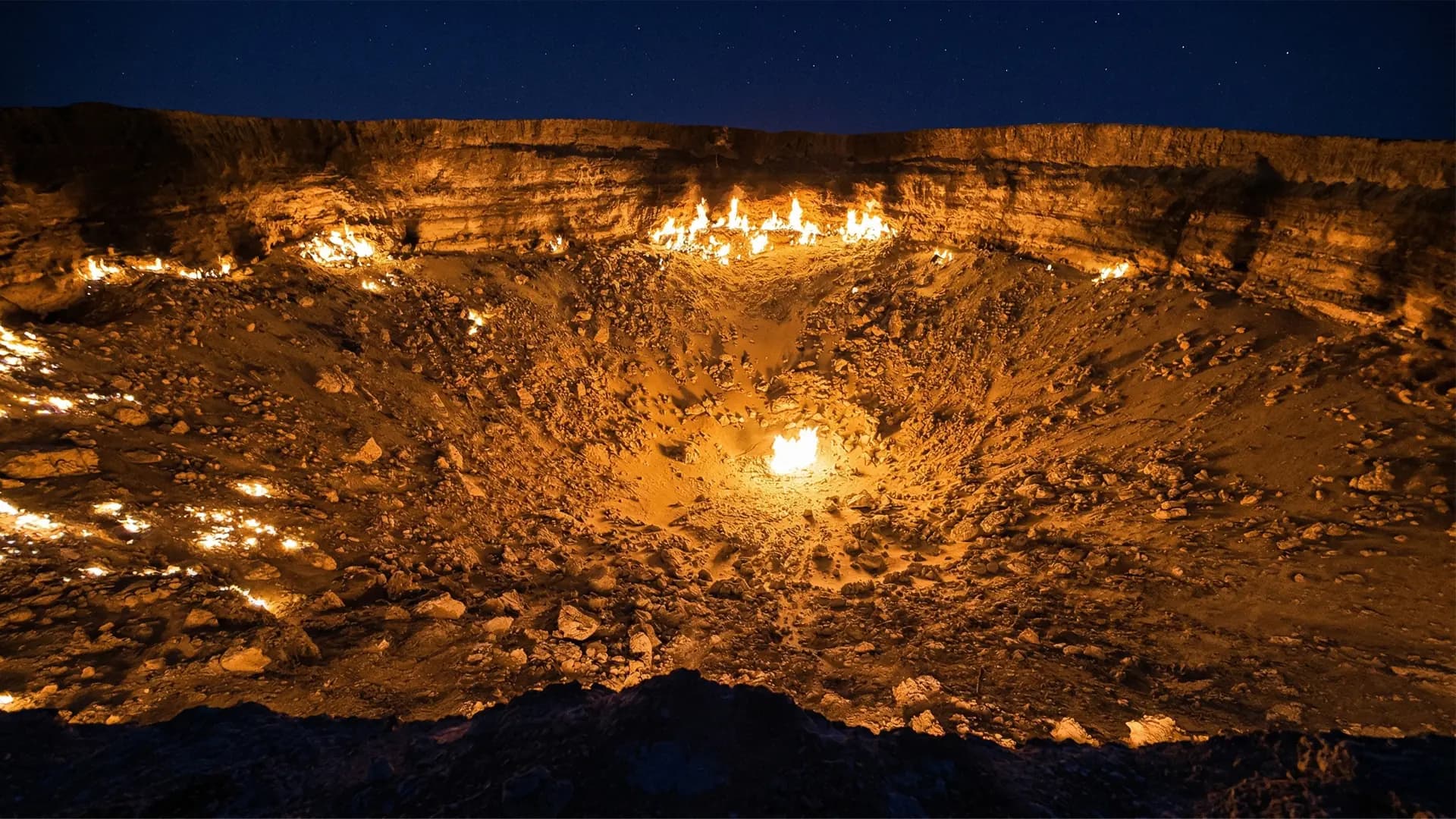
Darvaza Gas Crater
A gas crater burning continuously in the Karakum Desert since the 1970s, the so-called Door to Hell glows with an intensity that makes the surrounding desert phosphorescent.
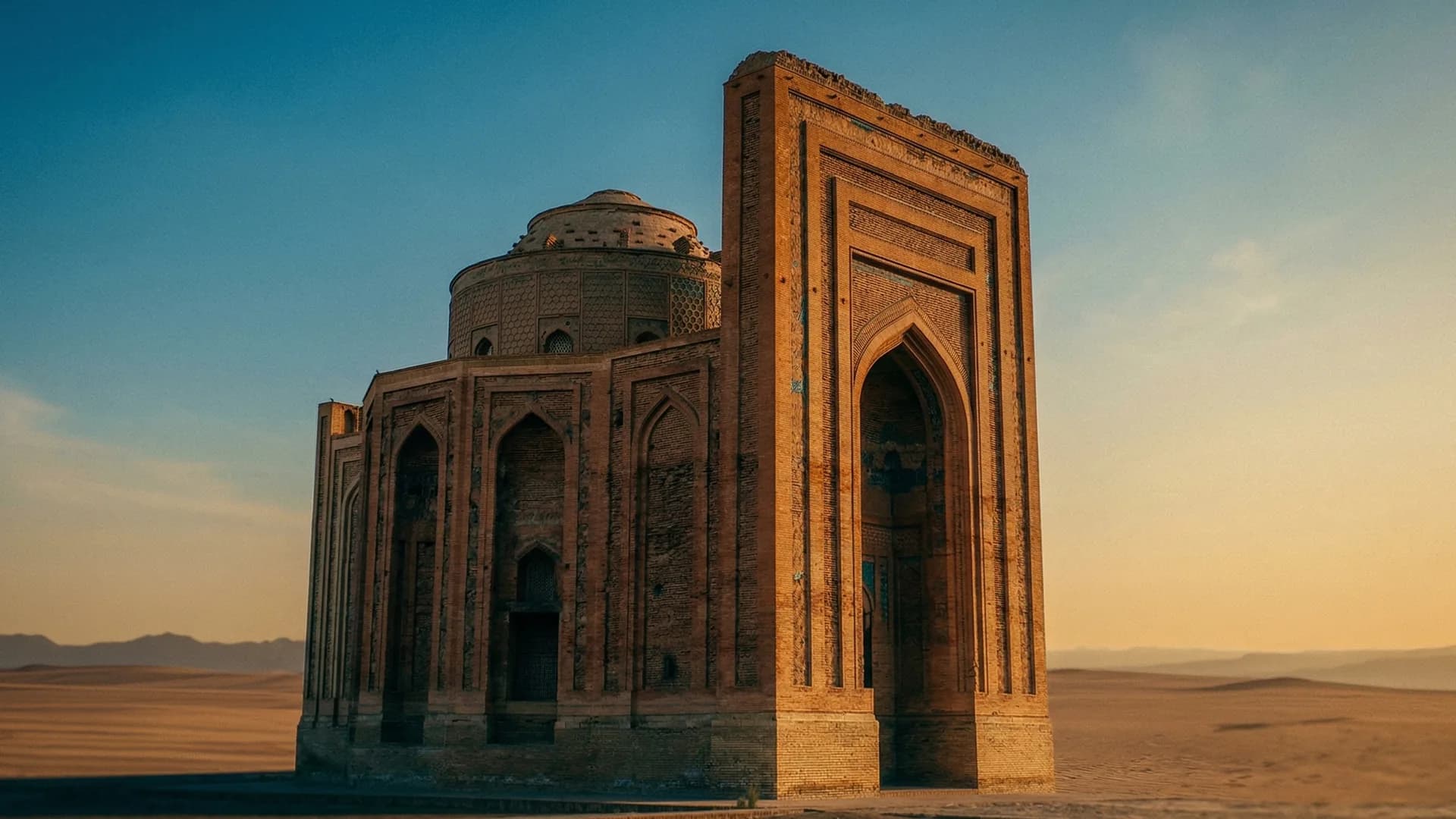
Kunya-Urgench
The former capital of the Khwarezmian Empire preserves a cluster of medieval Islamic monuments, including the tallest minaret in Central Asia.
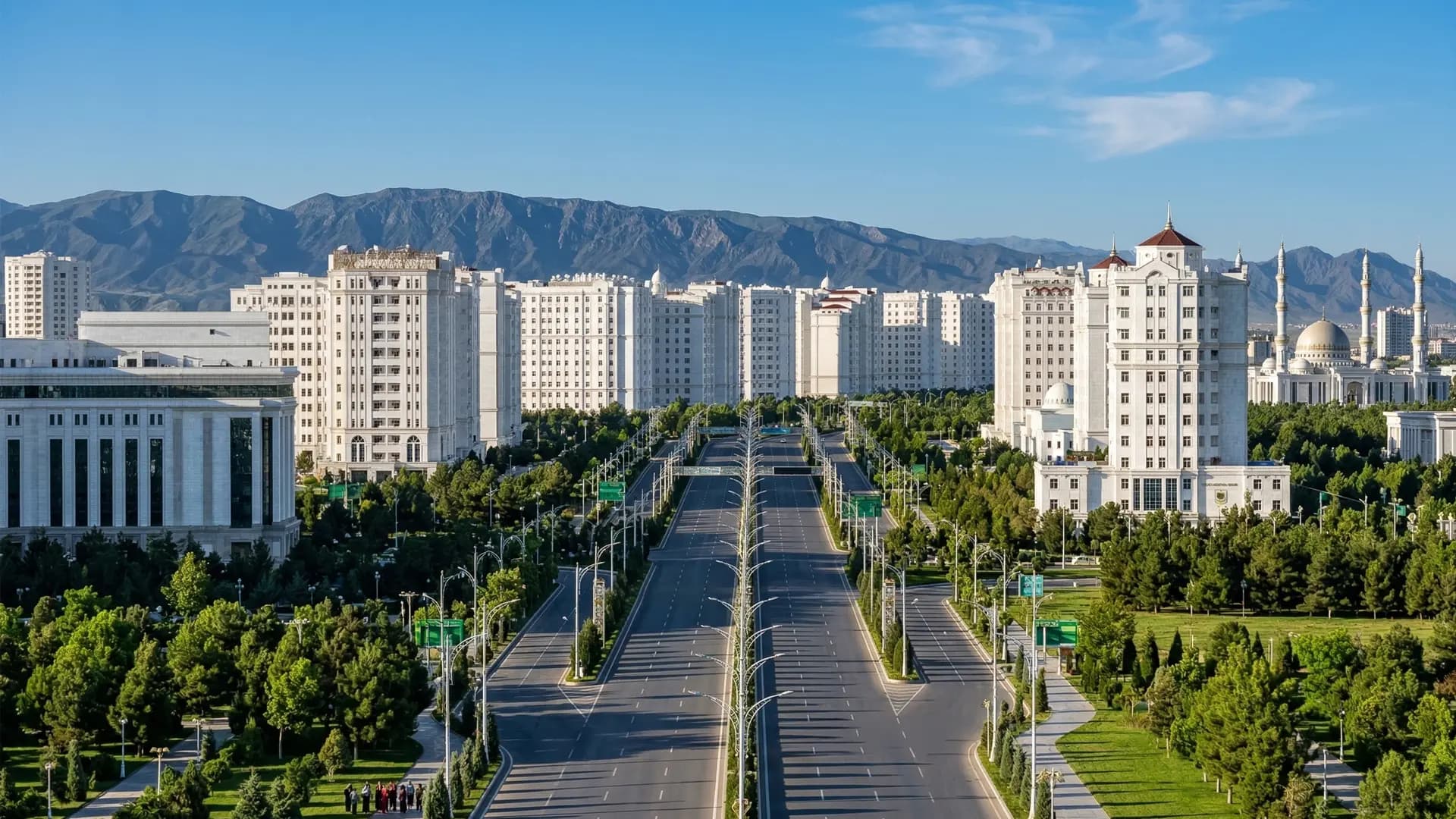
Ashgabat
Turkmenistan's capital is a city of white marble boulevards, gilded domes, and monumental architecture - a place unlike any other capital in Central Asia.
Quick Navigation
Plan Your Visit
Let our travel experts help you plan the perfect visit to this destination.
Inquire NowReady to Plan Your Journey?
Let our travel experts craft your perfect Turkmenistan adventure.
Chat with a Trip Expert