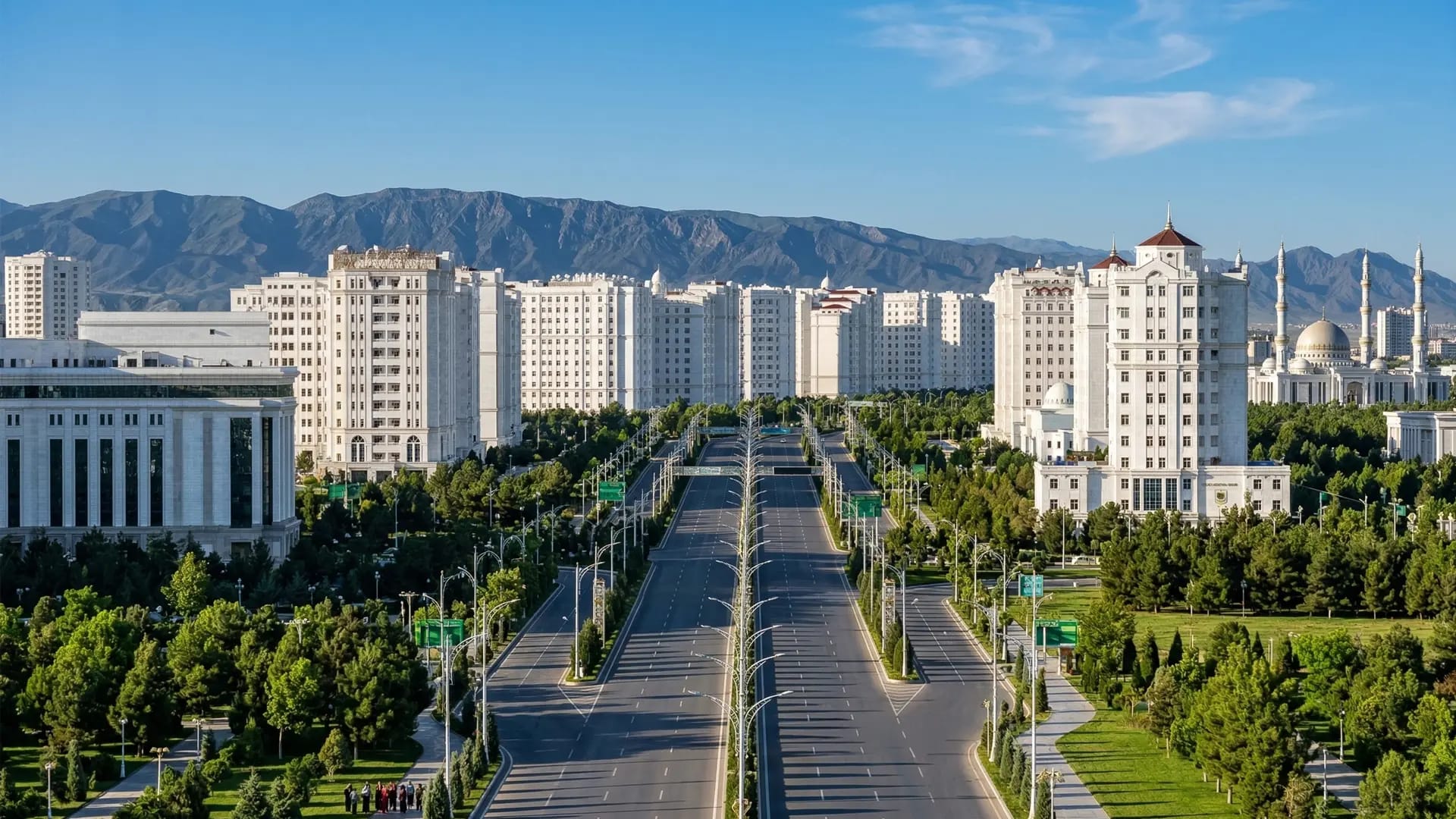
Ashgabat
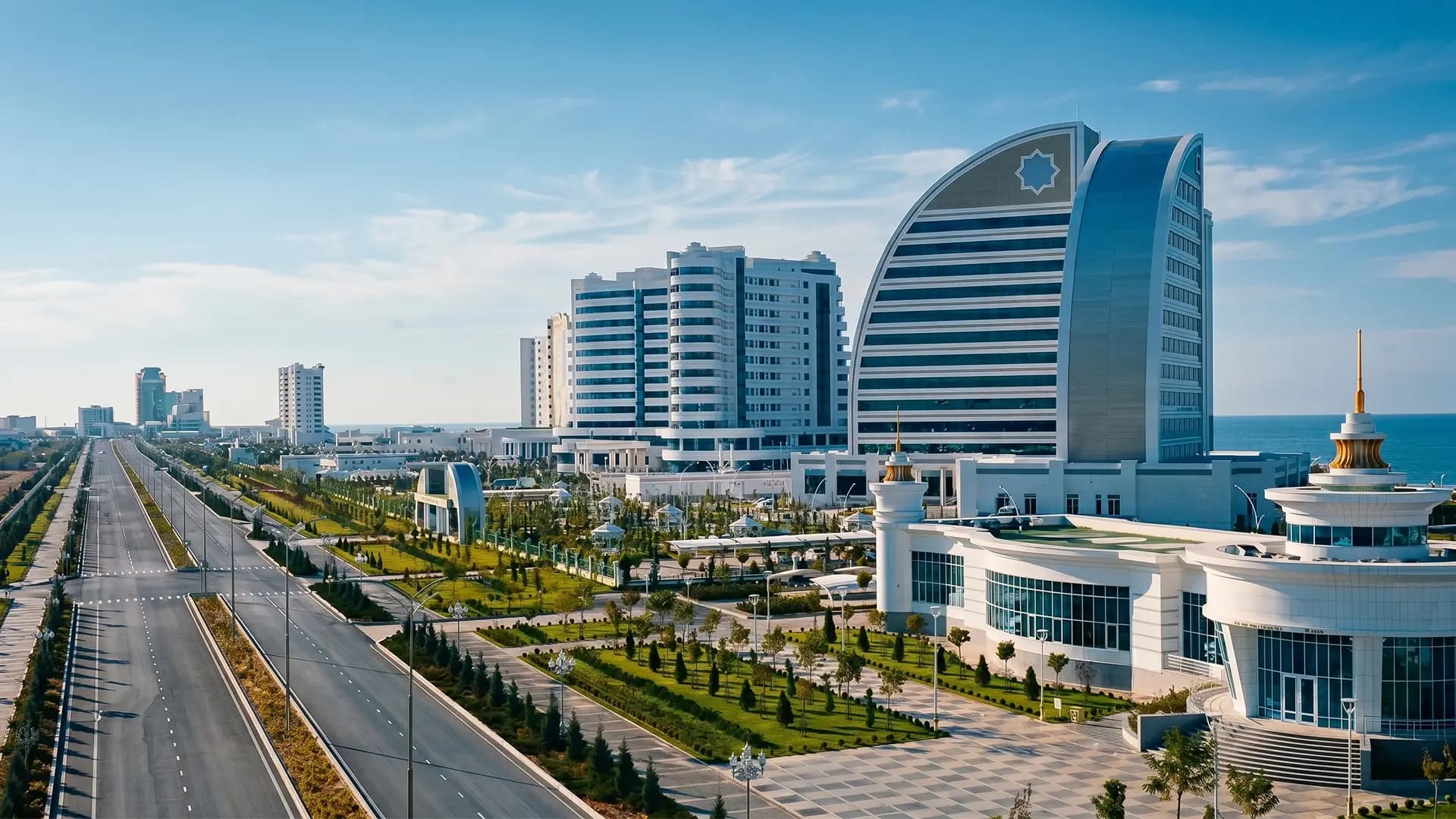
Turkmenistan's capital is a city of white marble boulevards, gilded domes, and monumental architecture - a place unlike any other capital in Central Asia.
Quick Navigation
Overview
The city experienced a catastrophic earthquake in 1948, which caused enormous destruction and loss of life across the region. In subsequent decades, a Soviet-era city was built in its place. Beginning in the 1990s, Ashgabat entered another phase of construction - this time in white marble, with broad pedestrian zones, fountains, and large civic structures that now define the city's skyline. The National Museum of Turkmenistan, one of the finest in the region, houses archaeological collections from Parthian Nisa, medieval Merv, and Bronze Age Gonur Depe, providing essential context for travelers planning to visit those sites.
Among the city's notable landmarks: the Neutrality Arch, a three-legged structure whose design reflects Turkmenistan's internationally recognized permanent neutrality status, adopted in 1995. The Earthquake Monument commemorates the 1948 disaster with a bronze composition that remains one of the city's most visited sites. The Turkmenistan Tower offers elevated views across the urban plan, which from height reveals the full extent of the marble-clad cityscape spreading toward the Karakum Desert to the north.
The Tolkuchka Bazaar, on the outskirts of the city, operates a large weekend market where Turkmen carpets, textiles, and everyday goods are traded across separate sections that together form a vivid cross-section of the country's material culture. Turkmen carpet production is among the most technically accomplished in Central Asia, and the bazaar offers direct access to weavers and merchants.
Ashgabat functions as the primary gateway to every major destination in Turkmenistan - the ruins of Merv, the Darvaza crater, the canyons of Balkan, and the Parthian site of Nisa are all reached from here, making the capital both a starting point and a destination in its own right.
Highlights
Why Visit
- See a capital city so architecturally distinctive it holds a Guinness World Record for marble density
- Browse Tolkuchka Bazaar, where handmade Turkmen carpets are traded the way they have been for generations
- Use Ashgabat as the gateway to every major destination in Turkmenistan - desert, ruins, and canyon all within reach
- Visit the National Museum to understand Turkmenistan's Silk Road history before seeing the ruins in person
- Experience a city that simply does not resemble any other capital - its character is entirely its own
Best Time to Visit
April through June and September through November are the most comfortable periods, with daytime temperatures in the 20-30°C (68-86°F) range and clear mountain views. July and August bring intense heat to the Ahal region - temperatures regularly exceed 38°C (100°F) - though the city's indoor attractions (museums, bazaars, restaurants) remain perfectly accessible. Winter in Ashgabat is mild by Central Asian standards, with January temperatures hovering around 2-8°C (36-46°F) and occasional light snow on the Kopet Dag peaks behind the city.
Getting There
Ashgabat is Turkmenistan's main international entry point, served by Ashgabat International Airport with connections from Istanbul, Dubai, Moscow, Frankfurt, and various regional hubs. The airport sits close to the city center, making arrival straightforward. All incoming tour groups are met at the airport and transferred directly to accommodation - Ashgabat serves as the logistical base from which the rest of the country is explored.
Tours Featuring Ashgabat
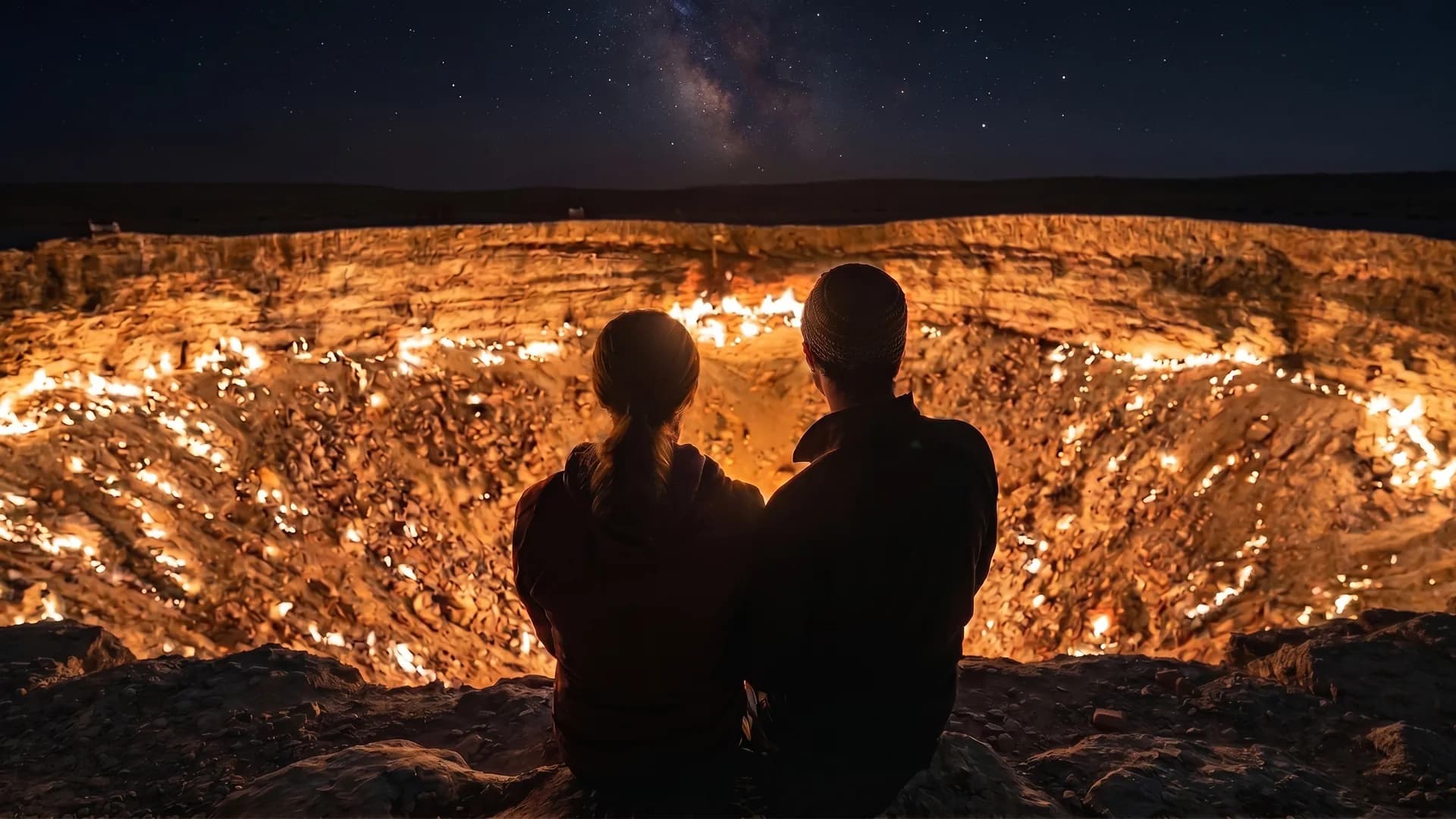
Ashgabat, Darvaza & Kunya Urgench: 3-Day Iran–Uzbekistan Crossing
$540–$980
per person
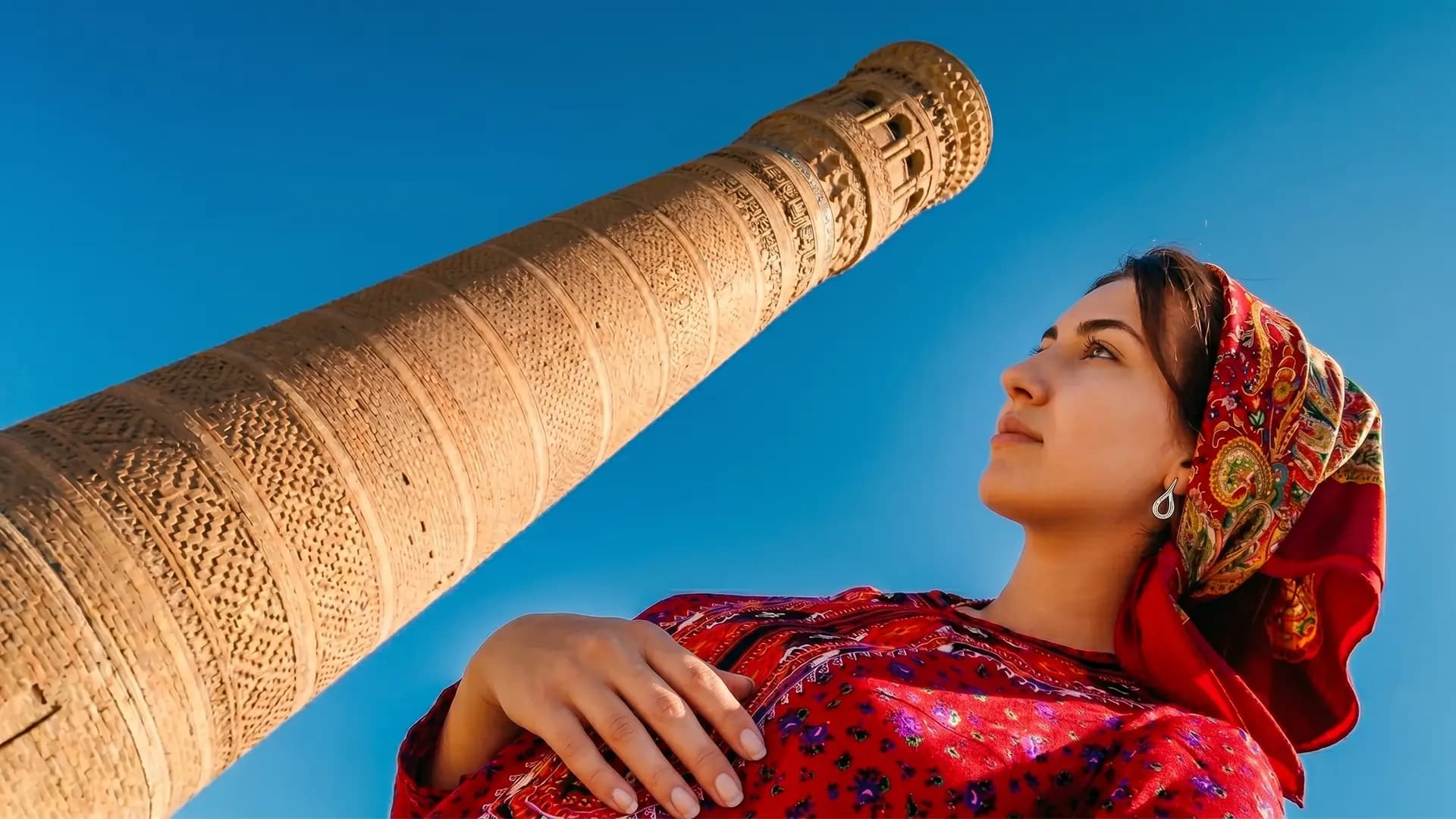
Ashgabat, Darvaza & Kunya Urgench: Capital, Crater & Caravanserai
$690–$1,350
per person
Merv, Darvaza & Kunya Urgench: 4-Day Silk Road Crossing
$680–$1,500
per person
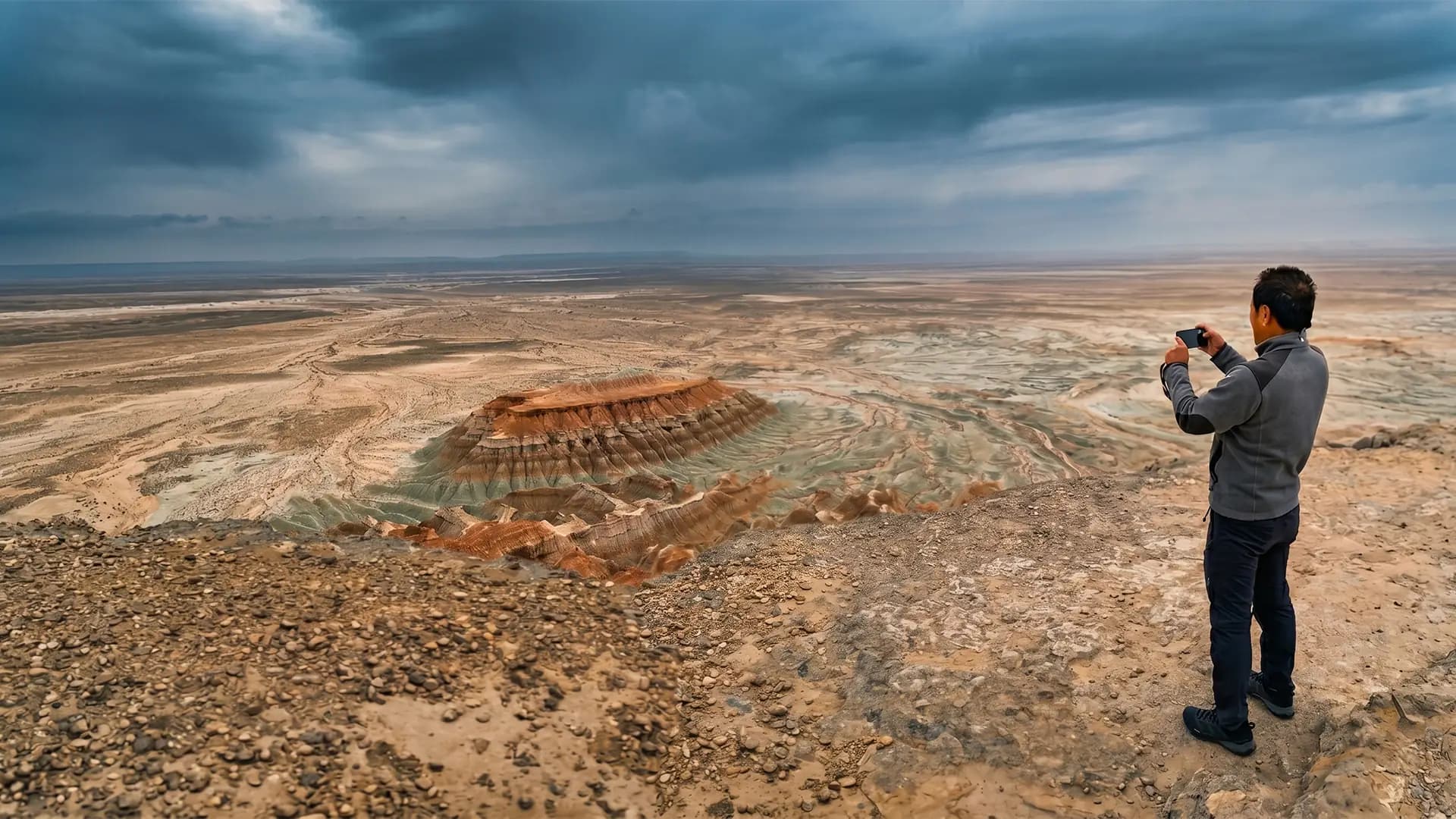
Ashgabat, Darvaza & Merv: 7-Day Turkmenistan Grand Tour
$980–$2,200
per person
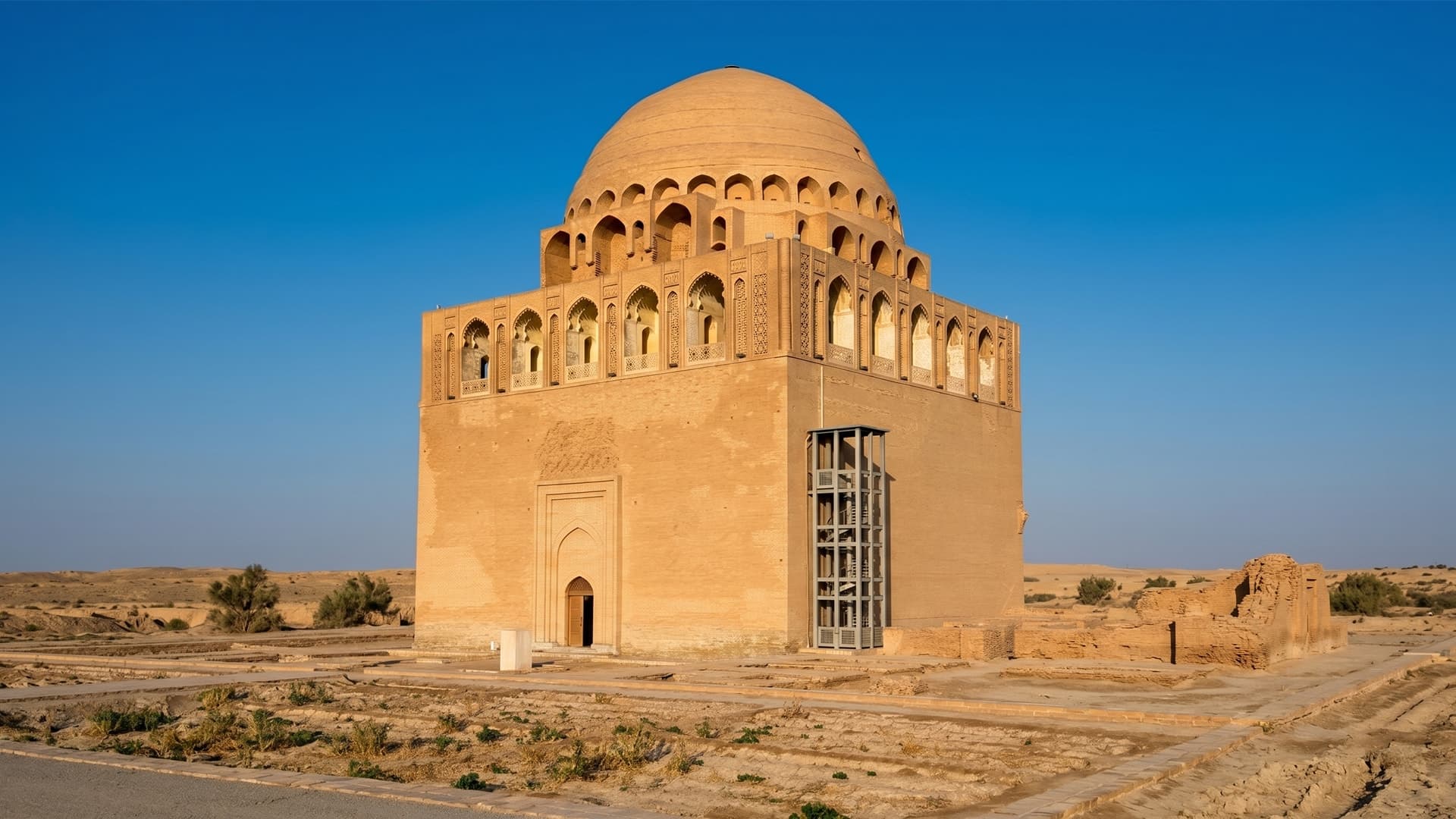
Ashgabat, Merv & Darvaza: 5-Day Journey to Uzbekistan
$780–$1,750
per person
Caspian, Darvaza & Kunya Urgench: 4-Day Turkmenistan
$690–$1,500
per person
Continue Your Journey
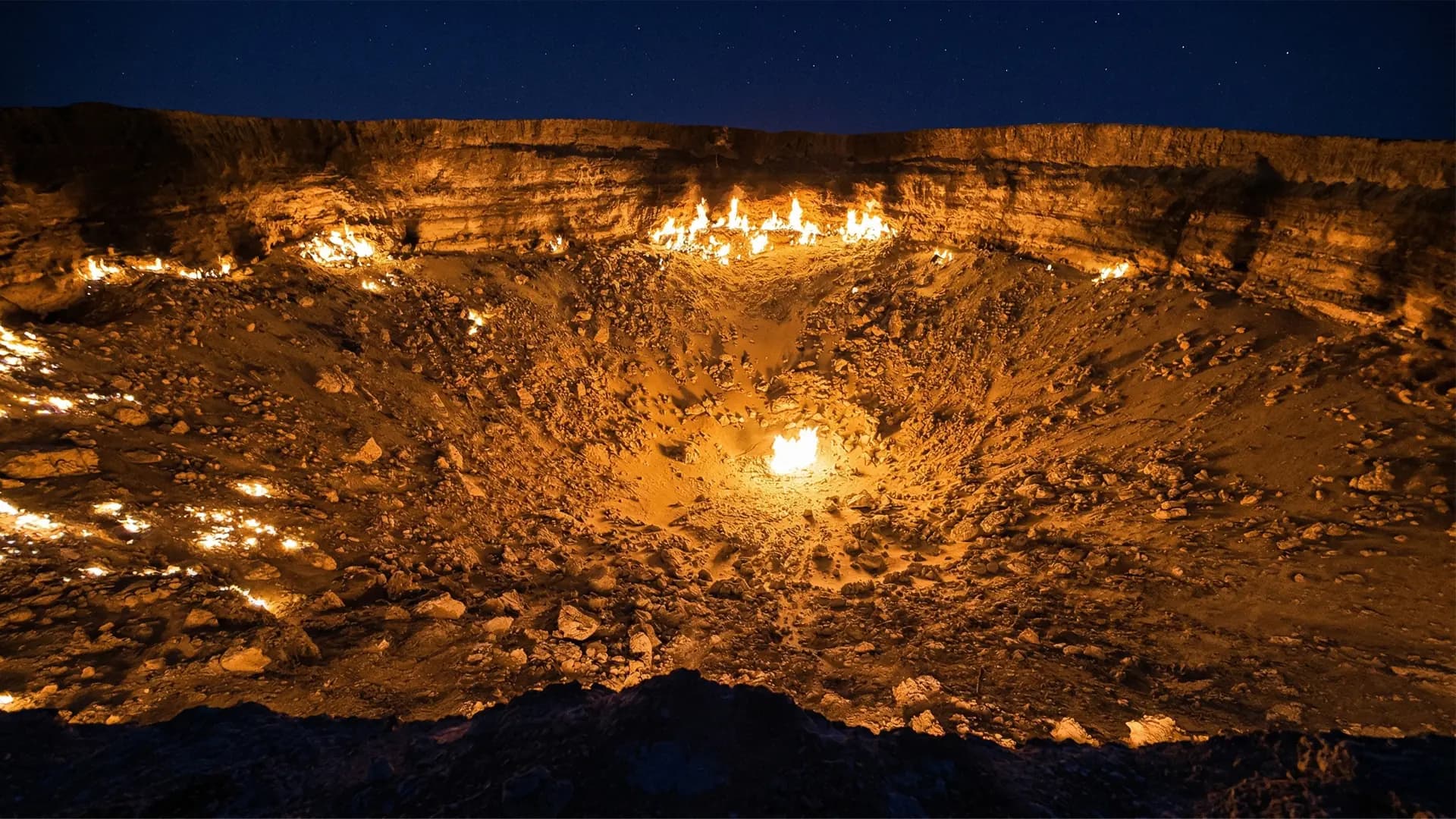
Darvaza Gas Crater
A gas crater burning continuously in the Karakum Desert since the 1970s, the so-called Door to Hell glows with an intensity that makes the surrounding desert phosphorescent.
Parthian Fortresses of Nisa
Capital of the Parthian Empire near Ashgabat, where two millennia of royal history survive in eroded mud-brick walls and extraordinary rhyton ivory carvings.
Ancient Merv
One of the largest cities of the medieval world, Merv's vast UNESCO-listed ruins stretch across the Karakum sands where a Silk Road empire once peaked.
Quick Navigation
Plan Your Visit
Let our travel experts help you plan the perfect visit to this destination.
See tours11Inquire NowReady to Plan Your Journey?
Let our travel experts craft your perfect Turkmenistan adventure.
Chat with a Trip Expert